
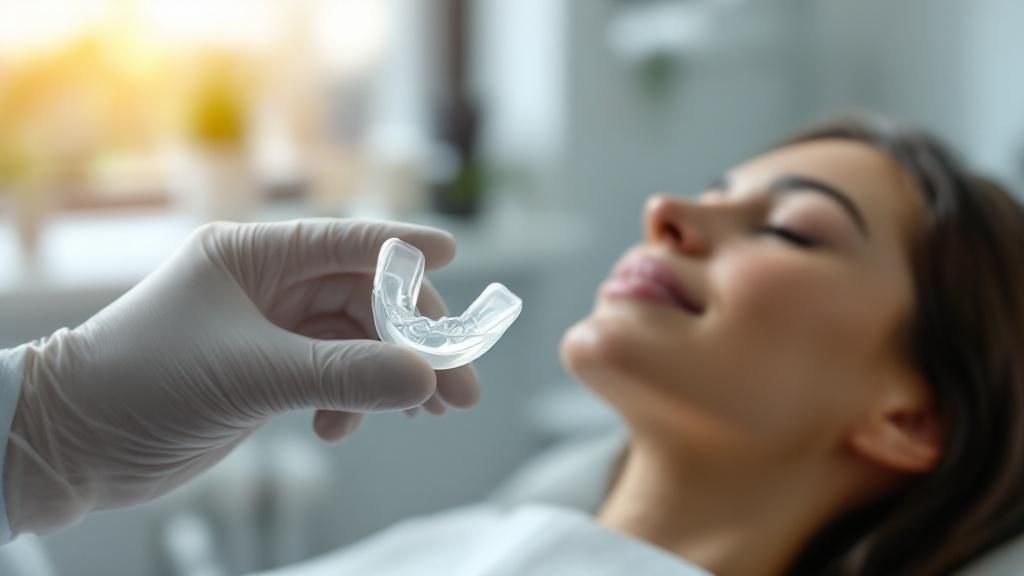
Waking up to a sore jaw or a dull, nagging headache is a miserable way to start the day. If that sounds all too familiar, you might be dealing with bruxism, the clinical term for grinding or clenching your teeth. This is an incredibly common issue we see in patients from Surprise, AZ, and the surrounding areas, but the good news is that effective solutions are definitely within reach.
That Aching Jaw: A Sign You Might Be Grinding Your Teeth
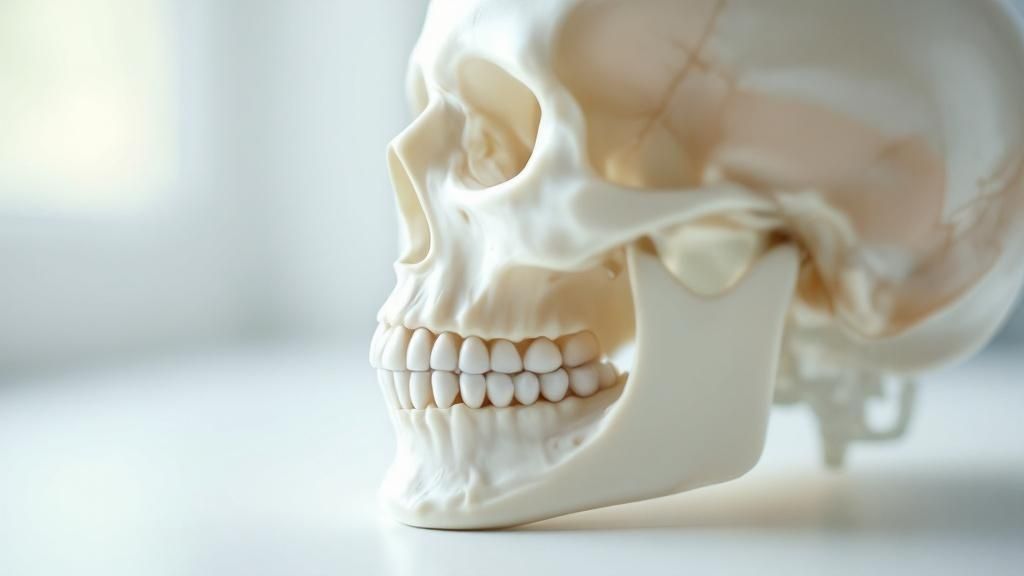
Many people who grind their teeth, especially in their sleep, have no idea they’re even doing it. The first clue is often a collection of unexplained symptoms that start to disrupt daily life. This is more than a minor annoyance; chronic grinding can cause serious dental problems and persistent discomfort.
Understanding Bruxism and Its Reach
At its core, bruxism is the involuntary clenching, gnashing, or grinding of your teeth. It can happen when you're awake (awake bruxism) or, more commonly, while you're asleep (sleep bruxism). Since you’re unconscious during sleep bruxism, the real tell-tale signs are usually the side effects you feel when your alarm goes off.
You're not alone in this. Research shows that sleep bruxism affects about 13% of adults (American Dental Association). That means a good number of your neighbors right here in Sun City and Peoria are likely waking up with the same aches and pains.
Common Signs You Might Be Grinding
Figuring out the symptoms is the first real step toward getting relief. You could be dealing with bruxism if you regularly experience any of these:
- Dull headaches or even migraines, particularly right after waking up.
- Jaw soreness or a feeling of tightness in your jaw muscles.
- Tooth pain or new sensitivity. The constant force from grinding can make your teeth sensitive to hot and cold. We cover this topic more in our guide on what causes tooth sensitivity.
- Chipped, fractured, or noticeably flattened teeth.
- Disrupted sleep for you or your partner, who might be the one to actually hear the grinding sounds.
Beyond just an aching jaw, teeth grinding often goes hand-in-hand with persistent headaches. Exploring natural headache and migraine relief treatments can sometimes offer additional comfort.
Here at West Bell Dental Care, our goal is simple: to help you understand what's happening and to reassure you that you don’t have to just live with the pain. We're here to help you connect the dots and find a solution that works for you.
Finding the Root Cause of Teeth Grinding
To figure out how to stop grinding your teeth, you have to play detective. Bruxism isn't just a random habit; it's almost always your body's way of reacting to something else going on. Finding that "something else" is the most important thing you can do to get lasting relief.
The reasons people grind their teeth usually fall into two main buckets: psychological and physical. For many of our patients here in Surprise, AZ, it’s often a mix of both.
The Role of Stress and Emotions
Life in the Northwest Valley gets busy. The pressure from a demanding job, money worries, family life, or even a big life change can show up physically while you're asleep. When your mind won't shut off, your jaw muscles often stay clenched right along with it.
This subconscious grinding is your body's attempt to deal with stress or anxiety that hasn't been resolved. It's not that different from nervously tapping your foot or biting your nails—it’s a physical habit tied to an emotional state. The first step to breaking the cycle is simply noticing when your stress levels are through the roof.
Key Insight: Teeth grinding is often a physical symptom of an emotional trigger. Learning to manage your stress can be just as critical as any dental treatment.
Physical and Lifestyle Triggers
While stress is a huge factor, plenty of physical issues can also kickstart or worsen teeth grinding. Sometimes, the problem is purely mechanical.
A few common physical and lifestyle culprits include:
- A Misaligned Bite (Malocclusion): If your top and bottom teeth don't line up properly, your jaw muscles might constantly shift around trying to find a comfortable spot to rest. All that extra work can lead straight to grinding.
- Certain Medications: Some antidepressants and other prescription drugs unfortunately list bruxism as a possible side effect. If you started grinding after beginning a new medication, it’s definitely worth a conversation with your doctor.
- Lifestyle Habits: Things like caffeine and alcohol can mess with your sleep and ramp up muscle activity. If you're a regular consumer, you might be making yourself more likely to grind your teeth at night.
- Sleep Disorders: There’s a very strong connection between sleep apnea and bruxism. In many cases, the grinding is part of the body's reaction to a temporarily blocked airway.
By taking a close look at your daily routines, stress levels, and overall health, you can start putting the puzzle pieces together. For our patients in Sun City West and El Mirage, figuring out if the grinding is linked to a stressful period at work or a physical problem is key. Once you have a clearer picture of your personal triggers, you and your dentist at West Bell Dental Care can build a plan that actually works to stop the grind for good.
Practical At-Home Strategies For Immediate Relief
When you're dealing with a sore jaw and headaches from grinding your teeth, you want solutions that work now, not weeks from now. The good news is you don’t have to wait for your next dental visit to start feeling better. There are several effective strategies you can weave into your daily life to help calm those overworked jaw muscles and protect your teeth.
These approaches often get to the root of the problem, which makes the biggest difference. We see it all the time with our patients—the triggers for bruxism can be varied, but some are far more common than others.
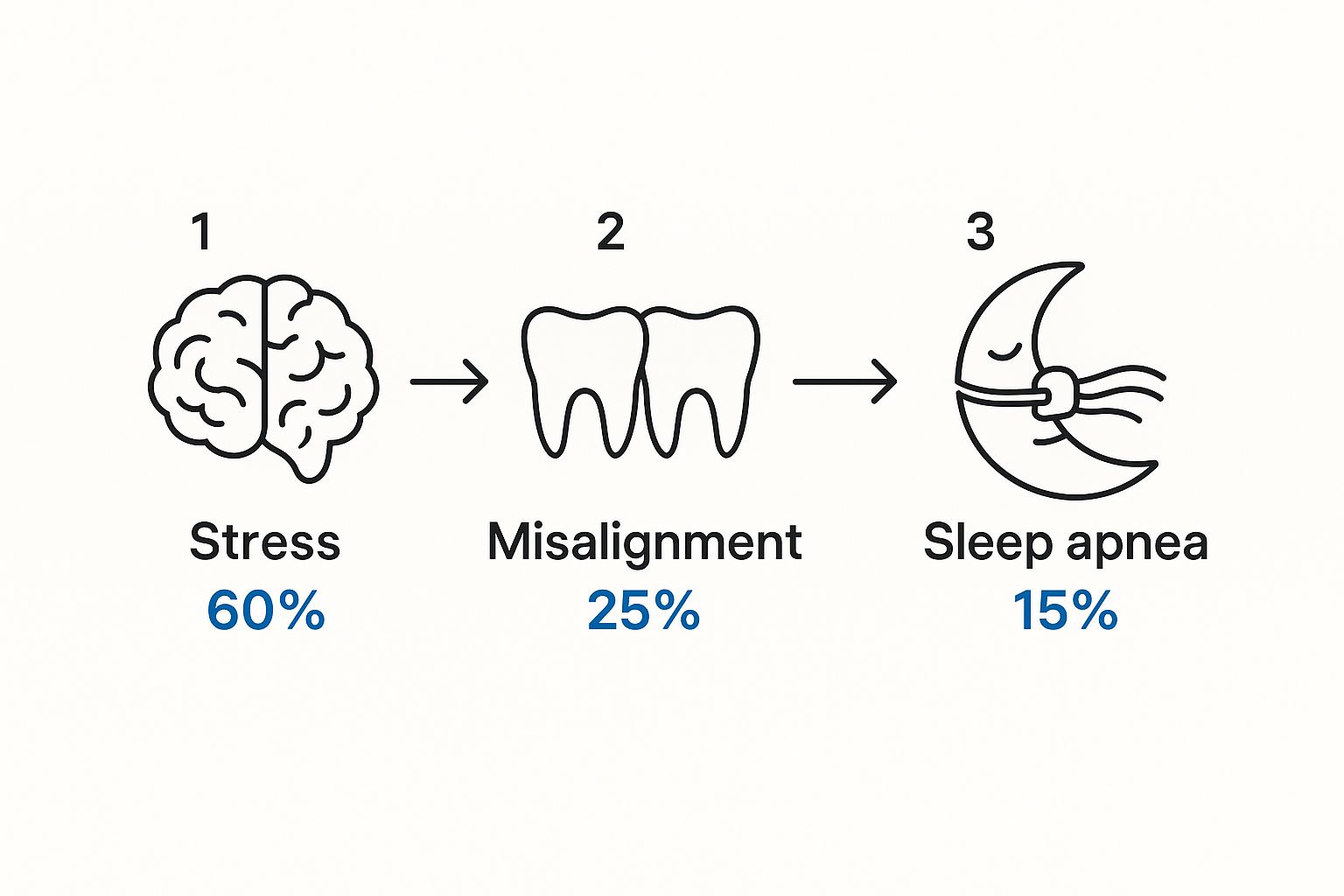
While physical things like a misaligned bite can certainly be a factor, stress is often the number one culprit. This means that focusing on relaxation and small lifestyle tweaks can be an incredibly powerful first line of defense.
Mindful Relaxation and Stress Management
Since stress is such a huge trigger for so many in our Surprise community, learning to consciously relax your jaw is a game-changer. You can actually train your jaw to stop clenching with a few simple, mindful efforts.
Here's a little trick we tell our patients to try:
- Gently place the tip of your tongue between your front teeth.
- This simple posture makes it physically impossible to clench your back molars down with any real force.
Try to do this whenever you notice you're stressed, concentrating hard, or just catch yourself clenching. Over time, it can become a new, healthier habit.
Adding some deep breathing exercises can lower your overall stress levels. Just a few minutes of slow, deliberate breaths at your desk or before bed can send a powerful signal to your body that it’s time to release tension, including in your jaw.
Create a Calming Bedtime Routine
Nighttime grinding is often tied to how well you sleep. Creating a solid wind-down routine helps prep your mind and body for rest, which can significantly reduce the chances of grinding through the night.
Here are some simple adjustments to consider:
- Limit Stimulants: Avoid caffeine and alcohol for a few hours before bed. They can disrupt sleep patterns and ramp up muscle activity.
- Reduce Screen Time: The blue light from phones and TVs can interfere with the body's natural sleep signals. Swap the screen for a book or some calming music.
- Apply Warmth: A warm, damp towel applied to the sides of your jaw for 10-15 minutes before sleep can do wonders for relaxing tight muscles.
Because nighttime grinding is so closely linked to sleep, improving your overall sleep hygiene is a must. Adopting these habits that can improve sleep quality can give you even better results.
Daily Habits to Reduce Teeth Grinding
This is a quick-reference guide to simple lifestyle adjustments that can help alleviate the habit of grinding and clenching your teeth.
| Habit to Adopt | Why It Helps | Simple First Step |
|---|---|---|
| Stay Hydrated | Dehydration can lead to muscle cramps and tension, including in the jaw. | Keep a water bottle on your desk and sip throughout the day. |
| Chew Mindfully | Avoid chewing on non-food items like pens or ice, which trains your jaw to clench. | Switch to sugar-free gum for a few minutes if you need to chew, then stop. |
| Gentle Jaw Stretches | Stretching can release built-up tension in the masseter muscles. | Slowly open your mouth as wide as is comfortable and hold for 5-10 seconds. |
| Improve Your Posture | Slouching can cause your jaw and neck muscles to tense up. | Sit up straight and ensure your computer screen is at eye level. |
Making these small changes consistently can lead to a big reduction in pain and discomfort over time.
A Gentle Reminder: The goal of these at-home strategies is to protect your teeth from further damage. Consistent preventive care is your best tool against wear and tear.
Gentle jaw stretches and exercises can also alleviate muscle soreness, but these actions should be part of a bigger picture that includes professional guidance. You can learn more about how we emphasize preventive dentistry for stronger teeth to help our patients in Sun City West and Peoria avoid long-term damage. Combining what you do at home with regular dental check-ups is the most effective path to lasting relief.
The Protective Power of a Custom Night Guard

While changing your habits can help tackle the reasons you grind your teeth, protecting your smile from the physical aftermath requires a more direct approach. At West Bell Dental Care, one of the most effective tools we have for this is a custom-fit dental night guard. This simple device is your smile’s best line of defense against the powerful forces of nighttime grinding.
Think of it like an athletic mouthguard, but it's engineered specifically for sleep. A custom night guard creates a tough, protective barrier between your upper and lower teeth. So, instead of grinding your enamel against enamel, you grind against the guard's resilient surface, helping you avoid costly damage like chips, fractures, and worn-down teeth.
Why a Custom Fit From Your Dentist Matters
You've probably seen those generic "boil-and-bite" mouthguards in pharmacies around Surprise or Peoria. They might seem like a cheap, quick fix, but they don't compare to a professionally made device. Over-the-counter guards are often bulky, and if they don’t fit well, they can even make your bite feel off.
A custom night guard, on the other hand, is crafted from precise impressions of your teeth. This ensures a few major advantages:
- A Perfect, Secure Fit: It snaps snugly into place, so you don't have to worry about it falling out or moving while you sleep.
- Optimal Comfort: Because it's molded to your unique dental anatomy, it's much less bulky and won't get in the way of a good night's rest.
- Superior Durability: We use high-quality, resilient materials designed to withstand nightly grinding for years to come.
A poorly fitting guard can sometimes make jaw pain worse. A custom-fit guard from your dentist gives you maximum protection without those unintended side effects.
Using custom-made splints is a proven way to reduce dental damage by physically separating the teeth. While it doesn't cure the root cause of bruxism, a night guard is absolutely essential for preserving your tooth structure.
This protective barrier does more than just prevent cracks and wear—it also plays a huge role in preventing cavities. Enamel that's been damaged or worn down is weaker and much more vulnerable to decay. Protecting it is a key part of your overall oral health, and you can learn more about avoiding cavities in our related guide.
When to See Your Surprise Dentist About Teeth Grinding
While trying things at home can be great for milder cases of teeth grinding, these strategies aren't always enough to stop it for good. Sometimes, symptoms that just won't quit are your body’s way of telling you it’s time to call in a professional. Knowing when to make that call is key to protecting your teeth from more serious damage down the road.
We get it—the thought of another dental appointment can be stressful, especially if you have some anxiety. Our goal is to be your partner in health, not to lecture you. Deciding to get help is a powerful step, and if you’re nervous, learning how to overcome dental anxiety can make the whole process feel much easier.
Key Signs You Need a Professional Evaluation
If you find yourself nodding along to any of these points, it's a good idea to schedule a consultation with our team at West Bell Dental Care. We're proud to help patients from Surprise, El Mirage, and all the surrounding communities.
- Persistent Jaw Pain or Clicking: If you wake up with a sore jaw most mornings, hear a clicking or popping sound, or feel like your jaw is locking up, that's a major red flag.
- Chronic Headaches: Starting your day with a headache over and over again isn't normal. It's often a direct result of the intense pressure from clenching your jaw all night.
- Noticeable Tooth Wear: Take a good, close look at your teeth. Are they starting to look shorter or flatter? Do you see tiny chips or fractures along the chewing edges?
- Increased Tooth Sensitivity: When enamel is worn down, the sensitive layer underneath gets exposed. This is why you might suddenly feel a jolt of pain with hot, cold, or sweet foods and drinks.
- Chipped or Cracked Teeth: If a tooth chips or cracks while you’re eating something relatively soft, it’s often because grinding has weakened it over time.
A Critical Takeaway: Ignoring these symptoms and hoping they'll disappear is a risky gamble. Waiting almost always leads to more complicated and expensive treatments later, like needing crowns, root canals, or even losing a tooth.
Getting an expert evaluation is the only way to know for sure what's going on. We can figure out how much damage has been done to your teeth and jaw and create a personalized plan to get you out of pain and protect your smile for years to come.
Stop the Grind with West Bell Dental Care
Don't let teeth grinding control your mornings or damage your smile. From identifying the cause to providing a comfortable, custom-fit night guard, our compassionate team at West Bell Dental Care is here to help you find lasting relief. We proudly serve families from Surprise, Sun City, Peoria, and beyond.
Ready to take the first step towards a pain-free life? Contact West Bell Dental Care today to schedule your consultation!
Frequently Asked Questions
Can teeth grinding go away on its own?
Sometimes, yes. If your bruxism is tied to a specific, short-term stressor, it might fade away once that situation resolves. However, when grinding becomes chronic, it's a habit that usually doesn't just disappear and can cause lasting damage if left untreated.
Is a drugstore night guard as good as one from my Surprise, AZ dentist?
While a cheap, over-the-counter guard might seem like an easy fix, it doesn't compare to a professionally fitted one. Generic "boil-and-bite" guards are often bulky, uncomfortable, and can even throw your bite off. A custom-fit guard from West Bell Dental Care is made from a precise mold of your teeth for superior protection and comfort.
Will my dental insurance cover a custom night guard?
Many dental insurance plans do provide coverage for custom night guards, which they often list as "occlusal guards." Insurers recognize them as a necessary medical device to prevent more serious problems. Our team at West Bell Dental Care is always happy to help you figure out your benefits and provide a clear breakdown of any costs.
My child grinds their teeth. Should I be concerned?
It can be startling to hear your child grinding their teeth, but it’s very common and they often outgrow it. However, if the grinding seems severe or if your child complains of a sore jaw, it’s a good idea to bring them in for a check-up. We can ensure everything is developing as it should.
What other treatments exist for severe jaw pain in Surprise, AZ?
For severe jaw pain (often related to TMJ/TMD), a night guard is a key tool, but we may also recommend other options. These can include targeted jaw exercises, minor bite adjustments to relieve pressure, or a referral to a trusted local specialist for complex cases. Our goal is to find the right solution for you. To learn more, check out our guide on what bruxism is.