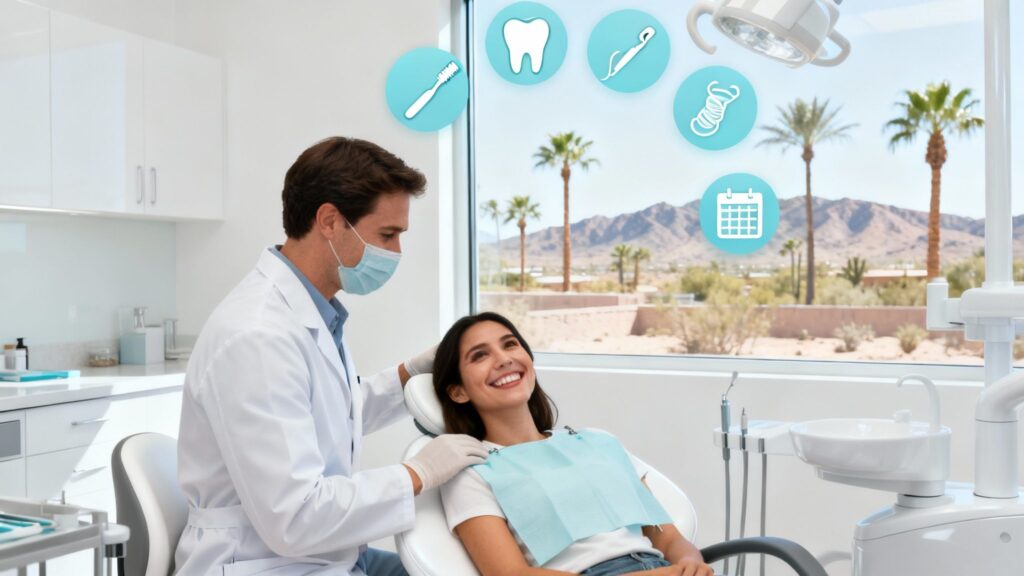
Welcome to the West Bell Dental Care blog! We know that dental health can bring up a lot of questions. Whether you're new to Surprise, a long-time resident of Sun City Grand, or raising a family in Marley Park, having clear answers is key to a healthy smile.
That's why our own Dr. Jennifer Wynn is answering the most common questions we hear from our patients. This guide gives you practical, jargon-free answers to help you feel good about your oral health journey.
We believe great dental care starts with great communication. By answering these top 5 questions about general dental care in Surprise, we hope to give you the clarity you need. Let’s dive in!
1. How Often Should I Really Visit the Dentist for Checkups?
This is one of the most common questions we hear at our Surprise, AZ dental office. For many years, the standard answer has been "every six months." For most people, this advice is still the best. A checkup and cleaning every six months is a key part of good oral hygiene.
These regular visits are for more than just polishing your teeth. They help our team find problems like cavities, gum disease, or even early signs of oral cancer before they get serious. Think of these visits as needed maintenance for your smile, like an oil change for your car.
Why the "Every Six Months" Rule is So Important
The six-month timeline is not random. It’s based on how quickly plaque and tartar can build up, even if you brush and floss well at home. Tartar is hardened plaque that only a dental professional can remove. If left alone, it can lead to gum inflammation (gingivitis).
Key Insight from Dr. Wynn: Regular checkups help us create a baseline for your oral health. By seeing you regularly, we can spot small changes that might point to a bigger problem. This helps us address issues when they are small and easy to manage.
This proactive approach is what what preventive dentistry is all about. By investing in routine care, you lower your risk of having a painful dental emergency or needing major dental work later.
When You Might Need More Frequent Visits
While twice a year is a great rule for most people in Surprise, it’s not for everyone. Your unique health needs determine how often you should come in. Certain things can increase your risk for dental problems, making more frequent checkups a good idea.
Consider these situations:
- Patients with Gum Disease: If you have a history of gum disease, we may suggest cleanings every three to four months to keep it under control.
- Smokers: Tobacco use raises the risk for gum disease and oral cancer, so more frequent visits are very important.
- People with Certain Health Conditions: Conditions like diabetes can make it harder for your body to fight infection, making you more prone to gum disease.
- Those Prone to Cavities: If you get cavities easily, seeing us more often allows for early detection. This often means a simple filling instead of a crown or root canal.
The best way to know what's right for you is to talk with us. We can look at your personal risk factors and create a custom care schedule to keep your smile healthy and bright.
2. What's the Best Way to Brush and Floss My Teeth?
This is another top question we hear from our patients in Surprise, and it’s a big one. Many people think they know how to brush and floss, but small changes in technique can make a huge difference. Good daily care at home is the foundation for preventing most dental problems.
Mastering the right methods helps you remove plaque, which is a sticky film of bacteria that is always forming on your teeth. If plaque is not removed, it hardens into tartar and can cause cavities and gum problems. Your daily routine is the most important thing you do to protect your smile.
Brushing and Flossing: The Right Technique Matters
Using the right technique is more important than how hard you brush. The goal is to be thorough but gentle. You want to clean every surface without hurting your gums or tooth enamel.
The American Dental Association (ADA) recommends using a soft-bristled toothbrush. Angle the brush at 45 degrees toward your gums and use short, gentle strokes. For flossing, gently curve the floss around each tooth in a "C" shape and slide it under the gum line.
Key Insight from Dr. Wynn: Many patients brush too hard without realizing it. This can cause gums to pull back and can wear away enamel. An electric toothbrush can be a great tool because many have pressure sensors and timers to help you brush gently for a full two minutes.
This daily habit is your best defense against dental issues. It keeps your mouth clean and your smile strong.
Practical Tips for an Effective Oral Hygiene Routine
A few specific tips can take your routine from good to great. These are details our Surprise dental team shares with patients to help them get the best results at home.
Try adding these habits to your daily care:
- Brush for Two Full Minutes: Most people rush. Use a timer to make sure you brush long enough.
- Cover All Surfaces: Don't forget to brush the inside and chewing surfaces of your teeth.
- Clean Your Tongue: Gently brushing your tongue removes bacteria and freshens your breath.
- Floss Once a Day: Find a time that works for you and make it a habit. For more details, check out our guide on how to floss correctly.
- Replace Your Toothbrush: A worn-out toothbrush doesn’t clean well. Replace it every three to four months, or when the bristles look frayed.
If you find flossing difficult, a water flosser can be a great tool. The best routine is one you will stick with every day.
3. Why Do I Have Sensitive Teeth and How Can I Treat It?
A sharp pain when you drink something cold or eat something sweet is a common complaint we hear in Surprise. This is called tooth sensitivity. It happens when the outer protective layer of your tooth, called enamel, wears down. This exposes a softer layer called dentin.
Dentin has tiny tubes that lead to the tooth's nerve. When these tubes are exposed, things like temperature changes can trigger the nerve and cause pain. Finding the cause is the first step to getting relief.
Common Causes of Tooth Sensitivity
Tooth sensitivity is a symptom that can point to several different issues. Finding the specific cause is key to treating it correctly.
Here are some common reasons for sensitive teeth:
- Enamel Erosion: Acidic foods and drinks (like soda and citrus fruits) can wear away enamel. Medical conditions like acid reflux can also cause this.
- Gum Recession: When gums pull away from the teeth, they expose the roots. Roots are not covered by hard enamel and are much more sensitive. This can be caused by gum disease or brushing too hard.
- Teeth Grinding (Bruxism): Clenching or grinding your teeth can wear down enamel over time.
- Recent Dental Work: It is normal to have some sensitivity after a teeth whitening, cleaning, or filling. This usually goes away in a few weeks.
Key Insight from Dr. Wynn: Sensitivity is your tooth’s way of telling you something is wrong. Ignoring it can let the problem get worse. It’s important to address it to protect your long-term oral health.
Effective Treatments for Sensitive Teeth
The good news is that you don’t have to live with the pain. We offer many solutions, from simple changes at home to treatments in our office.
Your treatment plan might include:
- Desensitizing Toothpaste: Special toothpastes can help block the pain signals from reaching the nerve.
- Fluoride Treatments: A professional fluoride gel applied in our office can strengthen your enamel.
- Changing Your Habits: We may suggest using a soft-bristled toothbrush and a gentler brushing technique.
- Dental Bonding: We can apply a tooth-colored resin to cover exposed, sensitive root areas.
- Custom Mouthguard: If you grind your teeth, a nightguard can protect them from further damage.
By talking with us about your symptoms, we can find the cause and help you find relief. You can learn more about what causes tooth sensitivity and how we can help.
4. What Should I Do About Cavities and How Can I Prevent Them?
Of all the dental problems our Surprise patients face, cavities are the most common. A cavity is a small hole that forms in your tooth. This is why we focus so much on preventive care for local families, retirees, and professionals.
Cavities are caused by bacteria in your mouth that feed on sugar from foods and drinks. These bacteria produce acids that eat away at your tooth enamel. If not treated, cavities can get bigger and lead to toothaches, infections, or even tooth loss.
The Best Defense: A Strong Offense Against Decay
The best way to deal with cavities is to stop them before they start. Preventive habits are much easier and cheaper than fixing problems later. At our Surprise practice, we want to give patients the knowledge to protect their smiles.
Key Insight from Dr. Wynn: Preventing a cavity is always better than treating one. Catching a cavity early often means a simple filling. Waiting can lead to needing a larger restoration like a crown or root canal, which costs more time and money.
A strong prevention plan includes good habits at home and regular visits to your dentist.
Practical Tips for Preventing Cavities
While some people are more likely to get cavities, everyone can benefit from these tips. Making them part of your daily routine is the best investment you can make in your oral health.
Here are some simple tips:
- Brush and Floss Daily: Brush twice a day with a fluoride toothpaste and floss at least once a day. This cleans away plaque and food particles.
- Limit Sugary Foods and Drinks: Cut back on sodas, candy, and other sugary snacks. If you have a treat, it's best to have it with a meal.
- Drink More Water: Water helps rinse away food and acids. Fluoridated water provides extra protection.
- Consider Dental Sealants: This is a great way to protect children’s teeth. Sealants are a thin, protective coating applied to the chewing surfaces of back teeth to keep decay out. Learn more about what dental sealants are.
If you notice any tooth pain or see a dark spot, schedule an appointment right away. The sooner we treat a cavity, the better.
5. How Can I Improve My Gum Health and Prevent Gum Disease?
Many of our Surprise, AZ, patients are surprised to learn that healthy teeth need healthy gums. Gum health is the foundation of a strong smile. Gum disease is an infection of the tissues that hold your teeth in place. According to the CDC, nearly half of adults over 30 have some form of it.
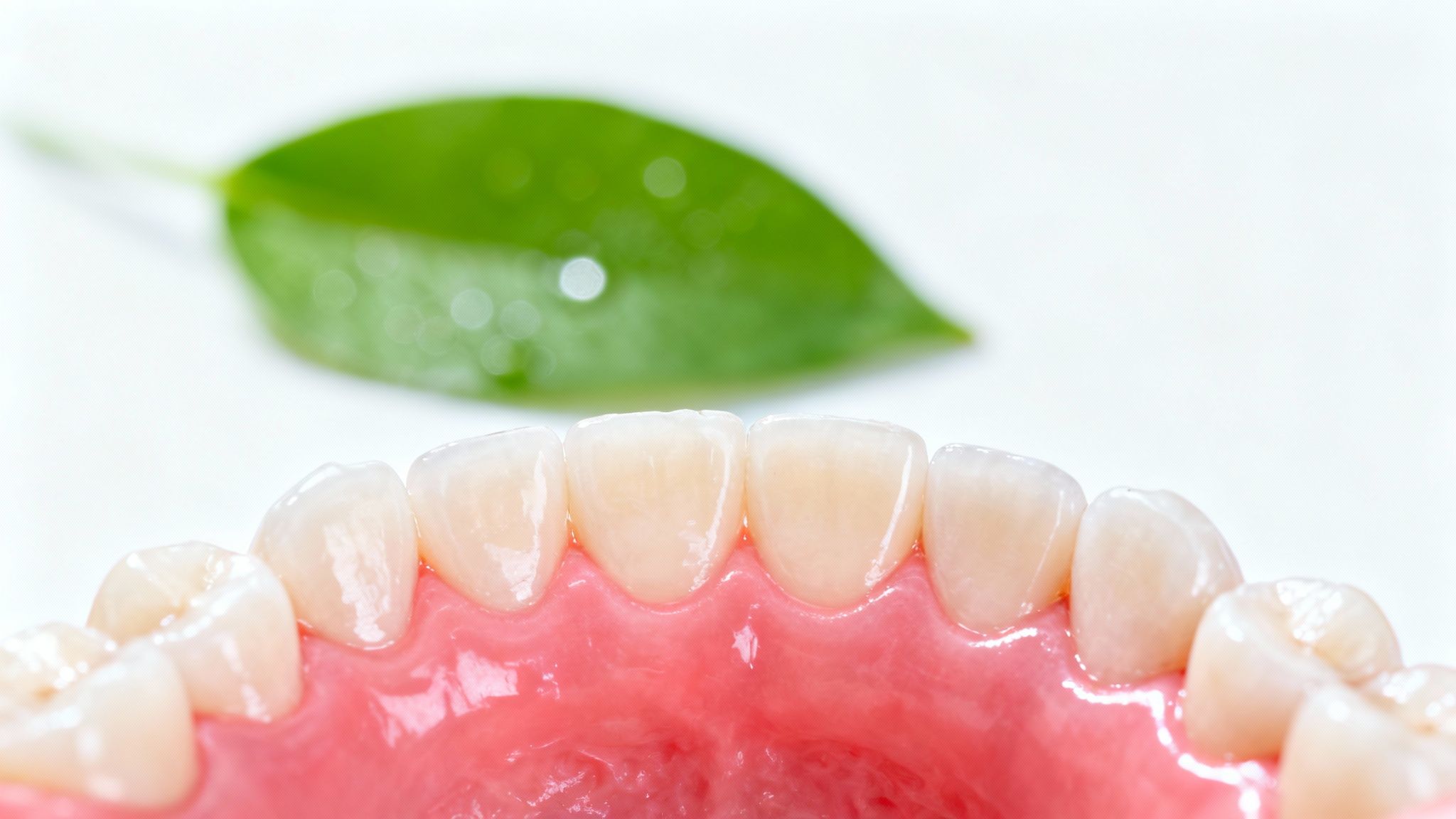
The good news is that gum disease can often be prevented. The first stage is called gingivitis, which is caused by plaque buildup along the gum line. If not treated, it can turn into a more serious problem that can damage the bone that supports your teeth.
Key Strategies for Healthy Gums
Protecting your gums requires good daily habits and regular dental visits. Simple, targeted actions can make a big difference in preventing gum problems.
Key Insight from Dr. Wynn: Preventing gum disease is important for your overall health, not just your mouth. Studies have linked advanced gum disease to other health issues like heart disease and diabetes. Taking care of your gums is part of taking care of your whole body.
Our team at West Bell Dental Care educates patients on these connections. To learn more, check out our guide on how to spot and prevent gum disease.
Actionable Steps You Can Take Today
Improving your gum health is possible with the right habits. Many patients in Surprise and Sun City West have seen great results by following these steps.
Here’s what you can do to protect your gums:
- Improve Your Brushing: Angle your toothbrush at 45 degrees toward the gum line. Use gentle, circular motions to clean your teeth and massage your gums.
- Don't Skip Flossing: Flossing is the only way to clean between your teeth and under the gum line, where your toothbrush can't reach.
- Manage Risk Factors: Quitting smoking is one of the best things you can do for your gums. Also, managing conditions like diabetes is very important.
- Partner with Your Dentist: If your gums are red, swollen, or bleed easily, let us know. We may recommend more frequent cleanings to help your gums heal.
Your Partner in Dental Health in Surprise, AZ
We hope that answering these top 5 questions about general dental care in Surprise has given you more confidence. Understanding the basics, from how often to get checkups to the right way to brush, helps you take control of your oral health. We've talked about solutions for tooth sensitivity, how to prevent cavities, and the importance of gum care.
For families in Marley Park, retirees in Sun City West, and busy professionals across Surprise, this knowledge helps prevent bigger problems down the road. A healthy mouth is linked to a healthy body. It can affect everything from your heart health to your confidence.
The most important thing is that you are not alone on this journey. A trusted dental team is key to turning these answers into great results. We are here to provide clear, patient-first guidance that fits your life and your goals.
Ready to partner with a dental team that puts your questions first? The friendly professionals at West Bell Dental Care are here to provide personalized care for your whole family. Schedule your appointment today by visiting West Bell Dental Care or calling our Surprise office.
Frequently Asked Questions
How often should my child see a dentist in Surprise, AZ?
Children should have their first dental visit by their first birthday. After that, we recommend checkups every six months, just like adults. These early visits help your child get comfortable with the dentist and allow us to spot any issues early.
Does West Bell Dental Care offer appointments for dental emergencies?
Yes, we do. If you live in Surprise or a nearby area and have a dental emergency like a severe toothache or a knocked-out tooth, please call our office immediately. We will do our best to see you as soon as possible.
What insurance plans do you accept at your Surprise dental office?
We accept a wide variety of dental insurance plans to make care accessible for our community. Please call our office with your insurance information, and our friendly staff will be happy to verify your coverage for you.
Is teeth whitening safe for everyone?
Teeth whitening is safe for most patients with healthy teeth and gums. However, it's not recommended for children, pregnant women, or people with very sensitive teeth or certain dental restorations. Dr. Wynn can tell you if you are a good candidate during a consultation.
What makes West Bell Dental Care a good choice for families in Surprise?
We offer comprehensive dental care for all ages in a warm and welcoming environment. Dr. Wynn and our team are focused on patient education and creating a positive experience, which is great for both kids and adults in our community.