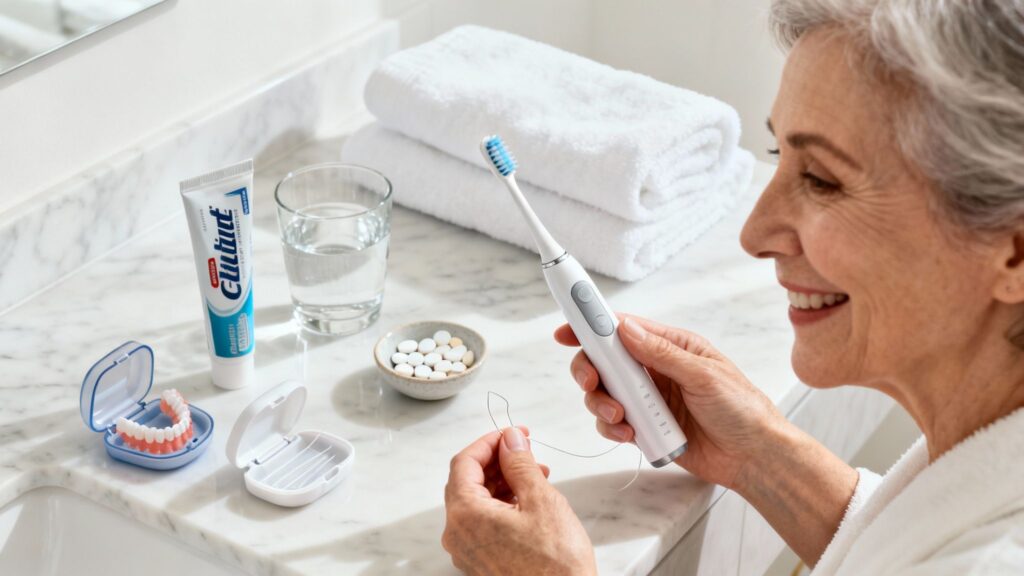
Retirement marks a new chapter, but your health should always be a priority. While your career may wind down, your smile doesn’t retire, and keeping it healthy is more important than ever. As we age, our dental needs change. Issues like dry mouth from medications, receding gums, or simple wear and tear require a new focus on oral care.
For residents in Surprise, AZ, and the surrounding Sun City communities, understanding these changes is the first step toward a healthy smile that lasts a lifetime. This guide offers simple, practical tips for dental health after 55. We'll cover ways to manage dry mouth, care for dentures, and understand how your diet impacts your teeth. These are real steps you can take to keep your smile bright. For a wider array of articles and tips on maintaining excellent oral health at any age, you might find valuable insights on Advanced Dentistry's blog. Let’s get started.
1. Combat Dry Mouth (Xerostomia)
Dry mouth, also called xerostomia, is very common as we age. It's often a side effect of medications or natural changes in the body. Dry mouth isn't just uncomfortable; it can be harmful. Saliva is your mouth’s natural defense, washing away food and neutralizing acids that cause cavities.
Without enough saliva, your risk for tooth decay and gum disease goes up. Managing dry mouth is a key part of making sure your smile doesn’t retire.
This condition can also make it hard to chew or swallow and can lead to bad breath. To learn more, check out our guide on what causes bad breath. Taking steps to manage dry mouth helps keep your smile healthy and comfortable.
How to Manage Dry Mouth
Simple, daily habits can make a big difference in protecting your teeth and gums. The goal is to keep your mouth moist and help your glands produce more saliva.
Actionable Tips:
- Stay Hydrated: Sip water throughout the day. This is the easiest way to keep your mouth moist.
- Stimulate Saliva: Chew sugar-free gum or suck on sugar-free candies. Look for products with xylitol, which helps fight cavities.
- Use a Humidifier: Running a humidifier at night adds moisture to the air and can help you wake up more comfortably.
- Choose the Right Products: Use an alcohol-free mouthwash designed for dry mouth. You can also find over-the-counter oral moisturizing sprays or gels to use before bed.
- Consult Your Doctor: If you think your medications are causing dry mouth, talk to your physician. They might be able to adjust a dose or find an alternative.
2. Maintain Rigorous Daily Oral Hygiene
A consistent and thorough daily oral care routine is more important than ever as we get older. Aging can make us more vulnerable to gum disease and root decay. Good daily habits prevent the buildup of plaque that leads to these serious dental problems, ensuring your smile doesn't retire even if you do.
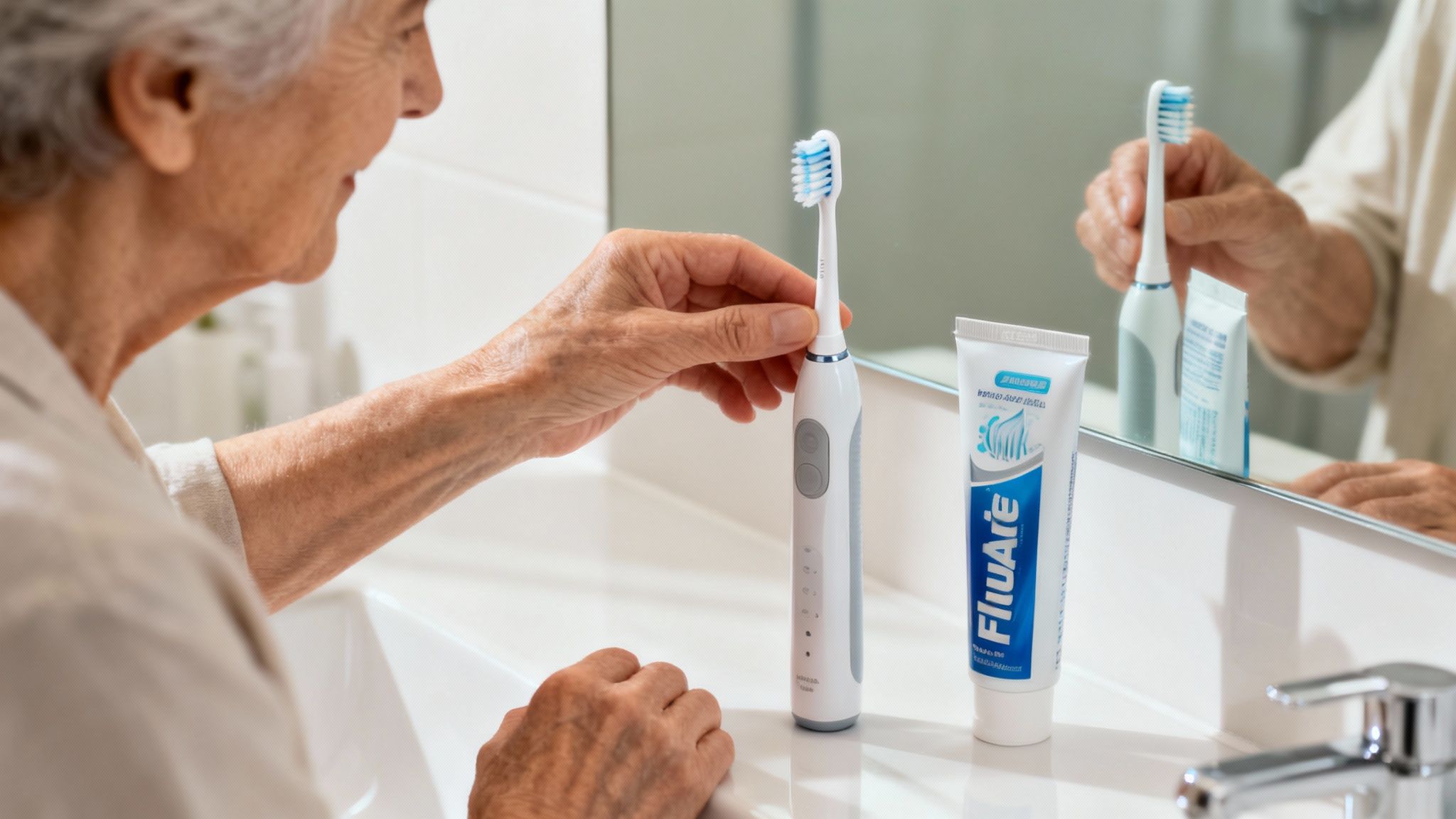
This daily practice is your best defense against common dental issues for adults over 55. It also protects existing dental work like crowns and bridges. To perfect a key part of this routine, you can learn more about how to floss correctly.
How to Maintain Your Daily Routine
The goal is to be thorough, gentle, and consistent. If you have arthritis, you may need to adapt your tools to make your routine easier.
Actionable Tips:
- Upgrade Your Toothbrush: Use a soft-bristled brush to protect sensitive gums. If holding a brush is difficult, an electric toothbrush with a larger handle can provide a better grip and a more effective clean.
- Perfect Your Brushing Technique: Hold the brush at a 45-degree angle to your gums and use gentle, circular motions. Don’t forget to brush your tongue to remove bacteria.
- Don't Skip the Floss: Clean between your teeth every day. If traditional floss is hard to use, try floss holders, interdental brushes, or a water flosser.
- Use Fluoride Toothpaste: Fluoride strengthens tooth enamel and helps prevent root cavities, which are common when gums recede with age.
- Care for Dental Appliances: If you have dentures, bridges, or implants, clean them daily according to your dentist's instructions.
3. Schedule Regular Dental Checkups and Cleanings
Professional dental care becomes even more important after 55. Many serious oral health issues, like gum disease, bone loss, and even oral cancer, often develop without any pain or obvious signs at first. Regular dental visits help your dentist catch these problems early, when they are easier and less expensive to treat.
These visits are also key for prevention. A professional cleaning removes hardened plaque, called tartar, that you can't get off with a toothbrush at home. This proactive care is essential for maintaining a healthy smile for residents in Surprise, AZ, and Sun City West.
Why Regular Visits Are Non-Negotiable
Routine appointments give your dentist a clear picture of your oral health. This allows for early treatment and personalized care tailored to your changing needs.
Actionable Tips:
- Find a Senior-Focused Dentist: Look for a dental team that understands the needs of older adults, including the effects of medications and chronic conditions.
- Share Your Health History: Always bring an updated list of your medications and health conditions to every appointment. This helps your dentist provide safe care.
- Don't Let Cost Be a Barrier: If you have financial concerns, talk to our office. West Bell Dental Care offers payment plans and can help you understand your insurance options, including Medicare Advantage plans.
- Ask for Support: Feel free to bring a family member or friend to your appointment to help listen and take notes. We are always happy to provide written instructions.
- Explore Your Options: Learn more about what a comprehensive visit includes by reviewing our guide on a dental cleaning and exam.
4. Address Gum Disease Aggressively
Gum disease is a major threat to senior oral health. In fact, nearly 70% of adults over 65 show signs of it, according to the CDC. It often starts as gingivitis, causing red or swollen gums. If left untreated, it can become a serious infection that destroys the bone supporting your teeth, leading to tooth loss.
The risk goes beyond your mouth. Research shows a strong link between gum disease and other health issues like heart disease and diabetes. Treating gum infections helps protect both your smile and your overall health. To learn more, read about how to spot and prevent gum disease.
How to Manage Gum Disease
Early detection and treatment are your best defense. A mix of good home care and professional treatment can stop the disease from getting worse.
Actionable Tips:
- Watch for Warning Signs: Look for gums that bleed when you brush, bad breath that won’t go away, or teeth that look longer because your gums have pulled back. Tell your dentist right away if you notice these.
- Use Antimicrobial Mouthwash: An antiseptic mouthwash can help reduce bacteria in your mouth that cause gum inflammation.
- Quit Smoking: Smoking is a major risk factor for gum disease. Quitting helps your gums heal and improves your overall health.
- Manage Systemic Health: Conditions like diabetes increase your risk. Keeping your blood sugar under control can help protect your gums.
- Follow Professional Advice: If your dentist recommends a deep cleaning or other treatments, it’s important to follow through. This helps remove deep tartar and bacteria to restore your gum health.
5. Protect Against Root Decay with Fluoride
As we age, our gums can recede, or pull back from the teeth. This exposes the roots of your teeth. Unlike the tops of your teeth, which are protected by hard enamel, roots are covered by a softer material. This makes them much more vulnerable to decay.
Exposed roots can also cause a lot of sensitivity and discomfort. You can learn more about what causes tooth sensitivity in our guide. Using fluoride is one of the best ways to strengthen these exposed areas and prevent painful cavities.
How to Use Fluoride for Root Protection
The goal is to consistently apply fluoride to make your tooth roots more resistant to acid from bacteria. This can be done with both professional treatments and at-home care.
Actionable Tips:
- Request In-Office Treatments: Ask your dentist about a professional fluoride varnish during your cleanings. This concentrated treatment offers powerful protection.
- Use Prescription-Strength Toothpaste: If you have significant gum recession, your dentist may prescribe a high-fluoride toothpaste for daily use.
- Incorporate a Fluoride Rinse: An over-the-counter fluoride mouthwash used nightly adds another layer of defense.
- Maximize Fluoride Contact: After brushing with fluoride toothpaste, spit out the extra foam but don't rinse with water right away. This leaves a protective layer of fluoride on your teeth.
- Wait Before Eating or Drinking: Avoid eating or drinking for at least 30 minutes after using any fluoride product to let it fully absorb.
6. Ensure Proper Nutrition for Oral Health
A well-balanced diet gives your body the building blocks for strong teeth and healthy gums. This is even more important after age 55. Nutrients like calcium and vitamin D fortify your tooth enamel, while vitamin C supports your gum tissue. On the other hand, a diet high in sugar and acids can quickly cause tooth decay.
Many seniors face nutritional challenges, like a reduced appetite or difficulty chewing. This makes mindful eating a key part of your dental care routine. Choosing nutrient-rich foods is a powerful way to ensure your smile doesn’t retire.
How to Eat for a Healthier Smile
A diet that supports your teeth is all about prioritizing foods that build strength and limiting those that cause damage. You can learn how to start a sugar-free diet with some easy tips for beginners.
Actionable Tips:
- Boost Calcium Intake: Include dairy like milk and yogurt in your diet. Non-dairy options include leafy greens and almonds.
- Prioritize Vitamin D: Your body needs vitamin D to absorb calcium. You can get it from sunlight, fatty fish like salmon, or fortified foods.
- Consume Vitamin C: Support your gums by eating citrus fruits, broccoli, and bell peppers.
- Limit Sugars and Acids: Cut back on sugary snacks, sodas, and acidic juices, especially between meals.
- Choose Crunchy Foods: Raw carrots and apples act like natural toothbrushes, helping to scrub away plaque as you chew.
7. Properly Care for Dentures, Bridges, and Implants
For many seniors in communities like Sun City Grand, dental restorations like dentures, bridges, or implants are key to a confident smile. These devices need a specific care routine that is different from natural teeth. Proper care prevents infections and protects the gum tissue and bone underneath.
Neglecting to care for your prosthetics can lead to serious issues. Problems can range from fungal infections and bad breath to painful sores. A daily cleaning routine is the best way to protect your oral health and make your dental work last.
How to Maintain Your Dental Prosthetics
The goal is to keep your prosthetics, gums, and any remaining natural teeth perfectly clean. A dedicated routine prevents plaque buildup and staining.
Actionable Tips:
- Clean After Every Meal: Remove dentures and rinse them to wash away food particles. If you have a bridge or implant, rinse your mouth with water.
- Brush Prosthetics Daily: Use a soft-bristled denture brush and a non-abrasive cleaner for dentures. Never use regular toothpaste on them, as it can create scratches where bacteria can hide.
- Soak Dentures Overnight: Give your gums a rest by soaking dentures overnight in a special solution or water. This also keeps them from drying out and warping.
- Use the Right Tools: For implants, use a soft toothbrush to clean around the posts. For bridges, use a floss threader or water flosser to clean underneath.
- Schedule Regular Check-ups: Visit your dentist at West Bell Dental Care regularly to check the fit of your prosthetics and the health of your gums.
8. Monitor Medications That Affect Oral Health
As we get older, we often take more medications to manage our health. Many of these can have side effects that impact oral health. For example, over 500 common drugs are known to cause dry mouth, which greatly increases your risk for cavities. Understanding how your prescriptions affect your teeth is a key part of making sure your smile doesn't retire.
Other medications can cause issues like swollen gums, altered taste, or increased bleeding during dental work. It's important to keep your dentist and your doctor informed so they can help prevent these problems from affecting your oral health.
How to Manage Medication-Related Oral Health Risks
Good communication is your best tool. Keep a detailed list of your medications and share it with your dentist at every visit.
Actionable Tips:
- Maintain a Complete List: Keep an up-to-date list of all medications, including prescriptions, over-the-counter drugs, and supplements.
- Share with Your Dentist: Give this list to your dentist at every appointment, especially if there have been any changes.
- Communicate Before Starting New Drugs: If your doctor prescribes a new medication, like a bisphosphonate for osteoporosis, tell your dentist. It's often best to complete any needed dental work before you start taking these drugs.
- Discuss Side Effects: If you notice dry mouth, swollen gums, or unusual bleeding, tell both your doctor and your dentist.
- Coordinate for Procedures: If you take blood thinners, tell your dentist well before any scheduled procedure, like a tooth extraction. Your dentist will coordinate with your physician to manage your care safely.
9. Get Screened Regularly for Oral Cancer
As we age, the risk for developing certain health conditions like oral cancer increases. The average age of diagnosis is 63, making regular screenings a vital part of senior dental health. When found early, the five-year survival rate for oral cancer is an impressive 84%, according to the National Institute of Dental and Craniofacial Research. This makes routine screenings one of the most powerful tools for a long, healthy life.
These screenings are quick, painless, and a standard part of every exam at West Bell Dental Care. While things like tobacco use are major risk factors, about 25% of oral cancers occur in people with no known risks. This is why screening every patient is so important.
How to Stay Proactive with Oral Cancer Screenings
Combining professional exams with at-home self-checks gives you the best defense. Knowing what to look for and speaking up about any concerns is key.
Actionable Tips:
- Confirm with Your Dentist: At every checkup, make sure your dentist performs a thorough screening of your mouth, tongue, and throat.
- Perform Monthly Self-Exams: Use a bright light and a mirror to check inside your mouth for changes. Look for sores that don't heal, red or white patches, or unusual lumps.
- Quit All Tobacco: This is the single most effective step you can take to reduce your risk.
- Protect Your Lips: Sun exposure can cause lip cancer. Use a lip balm with at least SPF 30 daily, especially in a sunny place like Surprise, AZ.
- Report Changes Immediately: If you notice persistent hoarseness, trouble swallowing, or any unusual changes in your mouth, contact your dentist right away.
Your Smile Deserves Care at Every Age
Your retirement years should be full of joy and confidence, and a healthy smile is a big part of that. By following these senior dental health tips, you can take control of your oral wellness and ensure your smile stays bright for years to come. From managing dry mouth to getting regular screenings, every step you take makes a difference.
At West Bell Dental Care, Dr. Jennifer Wynn and our team are known for compassionate, personalized treatment that resonates with our senior patients in Surprise, Sun City, and Peoria. We understand the unique dental needs that come with age and are here to be your trusted partner in health. Your smile deserves care at every age.
Are you ready to schedule a visit where senior smiles are always in good hands? Contact us today to book your appointment at West Bell Dental Care.
Frequently Asked Questions
1. How often should seniors in Surprise, AZ get a dental cleaning?
For most seniors, we recommend a dental cleaning and exam every six months. However, if you have gum disease, dry mouth, or other health conditions, Dr. Wynn may suggest more frequent visits, such as every three to four months, to keep your smile healthy.
2. Does West Bell Dental Care offer services for patients with dental anxiety?
Absolutely. We understand that dental visits can be stressful. We offer oral sedation options to help you feel relaxed and comfortable during your treatment. Our compassionate team is dedicated to providing a gentle and reassuring experience for all our patients.
3. What can I do at home to care for my dentures properly?
You should remove and rinse your dentures after every meal. Brush them daily with a soft denture brush and a non-abrasive cleaner (not regular toothpaste), and soak them overnight in a denture solution. This keeps them clean and prevents your gums from becoming irritated.
4. My medications are causing severe dry mouth. What is the most important first step?
Your first step is to increase your water intake throughout the day. Also, mention this side effect to both your primary doctor and Dr. Wynn. We can recommend special mouth rinses and other products to provide relief and protect your teeth from the increased risk of decay.
5. Are dental implants a good option for seniors in their 70s or 80s?
Yes, dental implants can be an excellent option for healthy seniors of any age. As long as you have sufficient jawbone density and good overall health, implants can provide a stable, long-lasting solution for missing teeth that improves your ability to eat, speak, and smile confidently. We can determine if you are a good candidate during a consultation.