
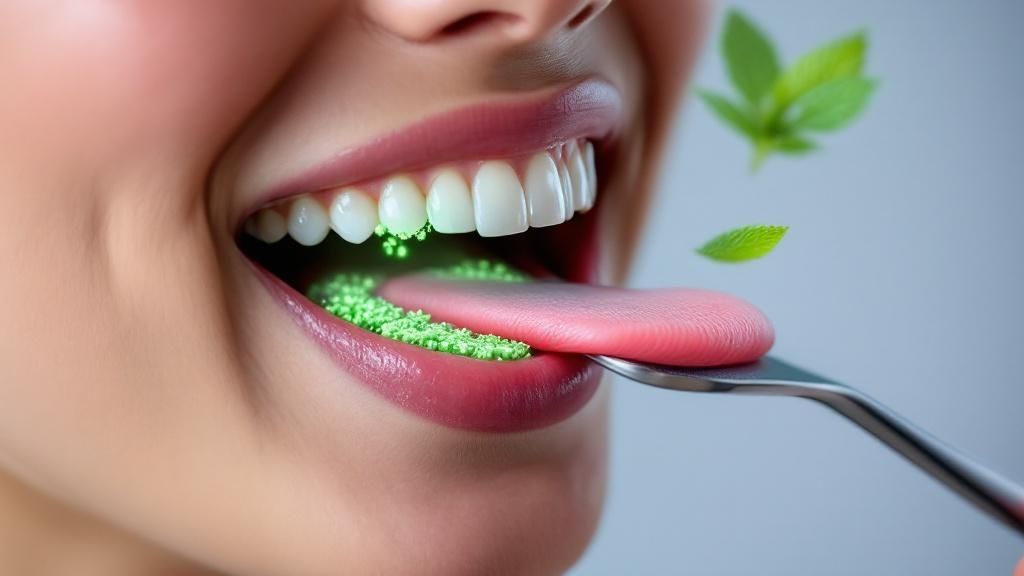
We've all had that moment of self-consciousness, a nagging worry about how our breath might smell to others. It’s a universal feeling. In almost every case, bad breath, known professionally as halitosis, isn't some deep mystery. It's a solvable problem that starts right inside your mouth with odor-producing bacteria living on your teeth, gums, and tongue.
Uncovering the Sources of Bad Breath
If you've ever felt uneasy about your breath, you’re definitely not alone. We know this can be a sensitive subject, and our team at West Bell Dental Care is here to give you clear, straightforward answers with compassionate care.
The first real step toward finding a lasting solution and getting your confidence back is simply understanding what causes bad breath in the first place. For our neighbors here in Surprise, AZ, and the nearby communities of Sun City and El Mirage, getting to the bottom of halitosis means looking at a few key areas. The good news? Most of these sources are completely manageable with the right daily habits and a little professional support from your local dentist.
The Main Culprits
Bad breath usually comes down to three primary sources, and each one plays a role in the environment inside your mouth. Think of these as the building blocks for figuring out what’s really going on.
- Oral Hygiene Habits: This is, by far, the most common factor. If you aren't brushing and flossing consistently, tiny food particles get left behind. These leftovers become a feast for bacteria, which then release those unpleasant sulfur compounds.
- Dietary Choices: We all know about the obvious offenders like garlic and onions. But other items, from your morning coffee to a high-protein diet, can also contribute to temporary or even persistent odors.
- Deeper Health Signals: Sometimes, stubborn bad breath is your body's way of waving a red flag. It can point to an underlying issue like chronic dry mouth (xerostomia), a sinus infection, or other medical conditions that need attention.
Bad Breath Causes at a Glance
To simplify things, here’s a quick look at the most common reasons for bad breath and where they typically originate.
| Cause Category | Primary Source | Common Examples |
|---|---|---|
| Oral Hygiene | Mouth | Plaque buildup, food particles, dirty tongue |
| Diet | Stomach & Lungs | Garlic, onions, coffee, alcohol, high-protein foods |
| Gum Health | Gums | Gingivitis, periodontitis (gum disease) |
| Dry Mouth | Salivary Glands | Dehydration, medications, medical conditions |
| Health Issues | Systemic | Sinus infections, acid reflux, diabetes, tonsil stones |
This table shows that while most roads lead back to the mouth, other factors throughout your body can also play a significant part.
This infographic breaks down the most common oral health-related causes we see right here at our practice in Surprise, AZ.
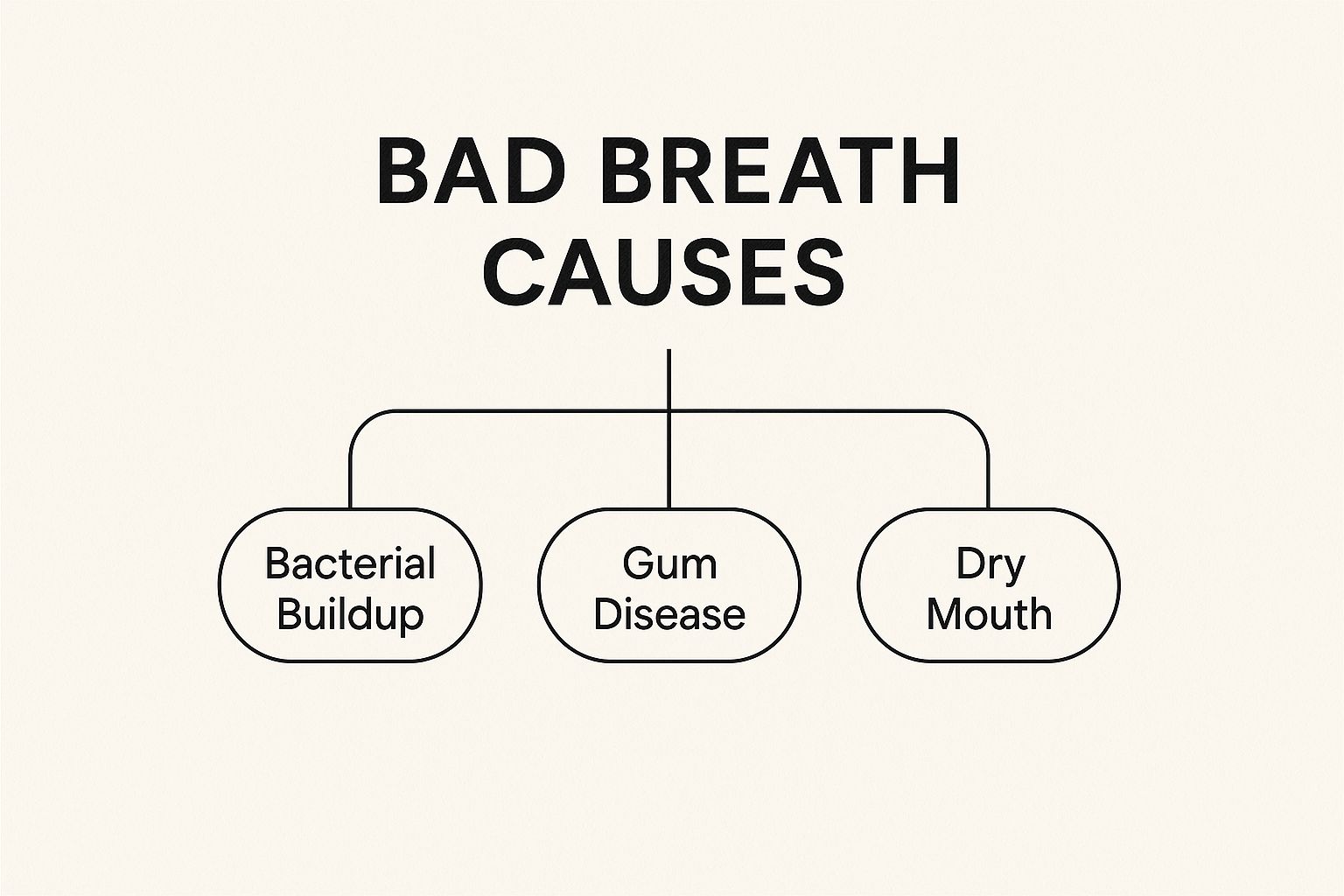
As you can see, things like bacterial buildup, gum disease, and dry mouth are all interconnected. They create the perfect storm for bad breath to take hold. It helps to think of your mouth as a delicate ecosystem; when one part is thrown out of balance, it can affect the entire system.
Figuring out which of these factors is at play is the key to effective treatment. In the next sections, we’ll dive deeper into each of these causes.
Your Daily Habits and Their Impact on Breath

Often, the real reason for bad breath isn't some mysterious condition—it's what happens inside your mouth every single day. After you eat, tiny food particles inevitably get left behind. These leftovers become a feast for the millions of bacteria living in your mouth, which in turn release foul-smelling gases known as volatile sulfur compounds.
This process is, by far, the most common culprit behind halitosis. Think of the plaque that builds up on your teeth as a sticky, invisible film. It doesn't just cling to your teeth; it acts like a net, trapping both the bacteria and the odors they produce.
Your Best Defense Is a Consistent Routine
This is where your daily brushing and flossing routine becomes your most powerful weapon. A consistent, thorough oral hygiene regimen is your absolute first line of defense against this bacterial buildup. When you brush and floss, you're not just "cleaning" your teeth—you're physically removing the food debris and plaque, effectively taking away the bacteria's fuel source.
Poor oral hygiene is the number one cause of halitosis, and its effects can extend far beyond an unpleasant smell. According to the CDC, nearly half of all adults aged 30 and older show some signs of gum disease. Many of these issues are directly linked to the same bacterial accumulation that causes bad breath.
Key Insight: Brushing twice a day and flossing daily aren't just casual suggestions. They are the fundamental steps needed to disrupt the cycle of bacteria feasting on leftover food in your mouth. This simple routine starves the odor-producing bacteria before they can even get started.
What's more, unchecked plaque eventually hardens into tartar. This rough, calcified deposit irritates the gums and can lead to gingivitis—the earliest stage of gum disease. This inflammation creates even more tiny pockets and surfaces for smelly bacteria to hide. Learning how to prevent gum disease is crucial for keeping your breath fresh and your mouth healthy.
Don't Forget to Clean Your Tongue
One of the most overlooked hiding spots for bad breath bacteria is the tongue. Its rough, bumpy surface is the perfect place for bacteria and food particles to get trapped. Over time, this can form a visible coating that contributes significantly to mouth odor.
Many people in Surprise, AZ, are diligent about brushing their teeth but forget their tongue entirely. You can use your toothbrush to give your tongue a gentle scrub, but a dedicated tongue scraper is often much more effective at removing that odor-causing film from the surface.
For our patients in Sun City and Sun City West who wear dentures, bridges, or other dental appliances, diligent cleaning is just as critical. These appliances can also trap odor-causing bacteria and food if they aren't cleaned meticulously every day. Just like natural teeth, they need daily care to stay fresh and clean.
How Food and Lifestyle Choices Affect Your Breath
Have you ever noticed your breath changing right after your morning coffee or a fantastic garlicky pasta dinner? That’s no coincidence. The link between what you eat and how your breath smells is one of the most immediate causes of bad breath, or halitosis.
When you eat foods with powerful smells, like garlic and onions, those odor-causing compounds get absorbed into your bloodstream. They then make their way to your lungs and are exhaled with every breath. This is why brushing right after doesn't completely fix it; the smell is literally coming from the inside out until your body finishes processing the food.
The Problem with a Dry Mouth
Beyond specific foods, one of the biggest culprits behind bad breath is dry mouth, which we call xerostomia in the dental world. Saliva is your mouth's built-in defense system. It’s constantly working to rinse away food particles and neutralize the acids produced by plaque bacteria.
Key Takeaway: Think of saliva as a flowing river that keeps your mouth fresh and clean. When that river dries up, it leaves behind a stagnant environment where odor-causing bacteria can multiply without anything to stop them.
This lack of saliva creates the perfect breeding ground for the very bacteria that cause bad breath. Several common lifestyle choices can lead directly to dry mouth, including:
- Dehydration: Simply not drinking enough water is a very common reason for reduced saliva flow, especially here in the Surprise, AZ heat.
- Smoking and Tobacco Use: Tobacco products not only leave their own distinct, unpleasant smell but are also notorious for drying out your mouth.
- Caffeine and Alcohol: Both of these can have a dehydrating effect on your body, which in turn reduces saliva production and lets bacteria flourish.
- Certain Medications: Many common over-the-counter and prescription drugs list dry mouth as a known side effect.
Practical Steps for Fresher Breath
Taking control of these factors is key. Staying hydrated by drinking plenty of water is the easiest first step anyone can take. If you smoke, quitting offers enormous benefits for your breath, not to mention your overall health.
A dry, bacteria-friendly mouth doesn't just cause bad breath; it also raises your risk for other dental problems like cavities and gum inflammation. If you're dealing with persistent dry mouth, it's crucial to rule out any underlying issues. You can learn more about how to spot and prevent gum disease right here on our blog.
If you're struggling with bad breath that just won't go away, simple lifestyle changes may not be enough. At West Bell Dental Care, we can help get to the bottom of the issue and create a personalized plan to restore moisture and freshness to your smile for good.
When Your Breath Signals a Deeper Health Issue
Most of the time, bad breath starts and ends right inside your mouth. But what if you’re doing everything right—brushing, flossing, regular cleanings—and the problem just won't go away? Sometimes, a stubborn odor is your body’s way of hinting at an issue that goes a little deeper.
This isn’t a reason to panic, but it’s smart to be aware of the connection. Think of your breath as an early warning system. Conditions that affect your nose, throat, or even your digestive system can kick off odors that you eventually notice as bad breath. We call these non-oral or systemic causes.
Common Health-Related Causes of Bad Breath
Several medical conditions are well-known for creating specific kinds of breath odors. Knowing what they are can help you and our dental team figure out the best next steps.
-
Sinus Infections and Post-Nasal Drip: When you’re dealing with a sinus infection, allergies, or a cold, mucus can build up and drip down the back of your throat. This "post-nasal drip" becomes a constant food source for bacteria, leading to a very distinct, unpleasant smell.
-
Tonsil Stones: Your tonsils have little nooks and crannies where bacteria, dead cells, and mucus can get trapped. Over time, this gunk can harden into tiny, foul-smelling chunks called tonsil stones, which are a powerful source of bad breath.
-
Acid Reflux (GERD): With gastroesophageal reflux disease (GERD), stomach acid and bits of undigested food can travel back up into your esophagus and throat. This often creates a sour, acidic odor and a bad taste that no amount of brushing seems to fix.
-
Other Systemic Diseases: In some cases, persistent bad breath can point to other conditions like diabetes, kidney trouble, or liver problems. While these are less common, it’s important to rule them out if no other cause can be pinned down.
Key Takeaway: A complete dental exam at our Surprise, AZ office is the most important first step. It lets us definitively rule out oral issues like gum disease or plaque, which helps narrow down whether you should follow up with your family doctor.
Research shows that there's a pretty big gap in what people know about the causes of bad breath. You can read the full research on public awareness of halitosis causes to learn more. Because some rare but serious conditions can also show up with oral symptoms, we always stay vigilant. You can learn more about why routine checks are so crucial by reading our guide on oral cancer screening, its symptoms, and risk factors.
The Surprising Links Between Age, Stress, and Breath

Sometimes, the culprit behind bad breath isn't as simple as that extra slice of garlic pizza. Two powerful, and often overlooked, factors are aging and stress. These can quietly change your oral environment, creating the perfect storm for halitosis to set in.
For many of our wonderful patients here in Sun City West and Peoria, getting older naturally brings changes to oral health. One of the most common issues we see is a decrease in saliva production. This is often made worse by medications for other health conditions, which frequently list dry mouth as a major side effect.
The Mind-Body Connection to Your Breath
The link between your mind and body is incredibly strong, and your mouth is ground zero for this connection. When you're dealing with high levels of stress or anxiety, your body has physical reactions—and reducing saliva flow is a big one.
This stress-induced dry mouth means there's less saliva to do its job of washing away food debris and neutralizing those odor-causing bacteria. It's a direct line from your mental state to your breath. Research has even shown a clear psychological component to halitosis, where anxiety can ramp up the production of the volatile sulfur compounds responsible for that unpleasant odor.
A Holistic View: Understanding these connections is central to our care at West Bell Dental Care. We look at your complete health picture, not just your teeth, to find the true source of any oral health concern.
Your mouth is home to a delicate balance of bacteria, a complex ecosystem known as the oral microbiome. When saliva is in short supply, certain troublesome bacteria can thrive while the helpful ones struggle. This imbalance is a key reason why managing stress is so important for your breath. You can read our guide on helpful mouth bacteria to get a better handle on this.
To better understand how your emotional state can affect your physical health, it can be helpful to explore the common causes of anxiety. Recognizing these triggers is a great first step toward managing their impact on your body—and that includes your oral health. Our team is always here to provide compassionate, judgment-free care that considers all aspects of your well-being.
Your Partners in Achieving Lasting Fresh Breath
Trying to figure out what causes bad breath on your own can be a frustrating and isolating experience. But you don't have to go it alone. The single most effective step you can take for lasting freshness is to get a professional evaluation to pinpoint the exact source of the problem. Here at West Bell Dental Care, our compassionate team is ready to be your ally in this journey.
We take pride in offering real solutions that are specifically designed for you. This could mean anything from a deep cleaning and advanced periodontal therapy to a personalized oral hygiene plan you can easily follow at home. We warmly invite our neighbors from Surprise, El Mirage, and the surrounding communities to come in for a consultation. Let's work together to find a genuine solution and get your confidence back.
Key Takeaway: While good home care is a huge part of the puzzle, a professional diagnosis is the only way to truly understand and treat bad breath that just won't go away. Partnering with your dentist ensures you’re treating the root cause, not just masking the symptoms.
A healthy, confident smile is about more than just fresh breath. If you're also interested in brightening your smile, you might want to learn about our professional teeth whitening in Surprise, AZ. And if we suspect the issue goes deeper, understanding tools like digestive enzymes and probiotics can be part of the solution.
Your Questions About Bad Breath Answered
Why does my breath still smell bad after brushing?
This is a very common question and it's frustrating when you feel like you're doing everything right. Often, it means the odor-causing bacteria are hiding in places your toothbrush can't reach, like between teeth or below the gumline. It could also point to a buildup on your tongue or an underlying issue like dry mouth.
Can mouthwash cure my bad breath?
Mouthwash can provide temporary relief by masking odors, but it doesn't cure the underlying problem. Think of it like a bandage, not a solution. To truly eliminate bad breath, we need to address the root cause, such as plaque buildup or gum disease, which a professional cleaning can do.
Is bad breath a sign of gum disease?
It certainly can be. Persistent bad breath is one of the most common warning signs of gingivitis and more advanced gum disease (periodontitis). The bacteria that cause gum disease produce foul-smelling sulfur compounds, so it's a symptom we take very seriously.
Can my children get bad breath too?
Yes, children can get bad breath for the same reasons as adults, most often due to inconsistent brushing or a diet high in sugar. Sometimes, however, it can be a sign of a sinus infection, allergies, or swollen tonsils. As a family dentist in Surprise, AZ, we can help diagnose the cause in patients of all ages.
I'm nervous about discussing my bad breath. What should I expect?
Please don't be. Our team at West Bell Dental Care talks about this every single day—it's an incredibly common concern. We promise to provide a judgment-free, supportive, and confidential environment where your comfort is our top priority. Our only goal is to find the cause and help you feel confident in your health again.
Find a Lasting Solution at West Bell Dental Care
Ready to get to the bottom of what causes bad breath and find a lasting solution? The team at West Bell Dental Care is here to help you regain your confidence with compassionate, expert care. We are proud to serve our community in Surprise, Sun City, El Mirage, and beyond.
Don't let bad breath hold you back any longer. Call our Surprise, AZ, office today or book your appointment online to get started.