
Run your tongue along the back of your mouth. Do you feel a rough or jagged edge that wasn't there before? A broken wisdom tooth is a common reason people in Surprise, AZ, visit our dental office. It often happens because of unseen decay or from biting down on something hard.
Discovering a broken tooth can be alarming, but the best thing to do is stay calm. There are a few simple steps you can take right away, even before you call us at West Bell Dental Care.
What To Do When a Wisdom Tooth Breaks
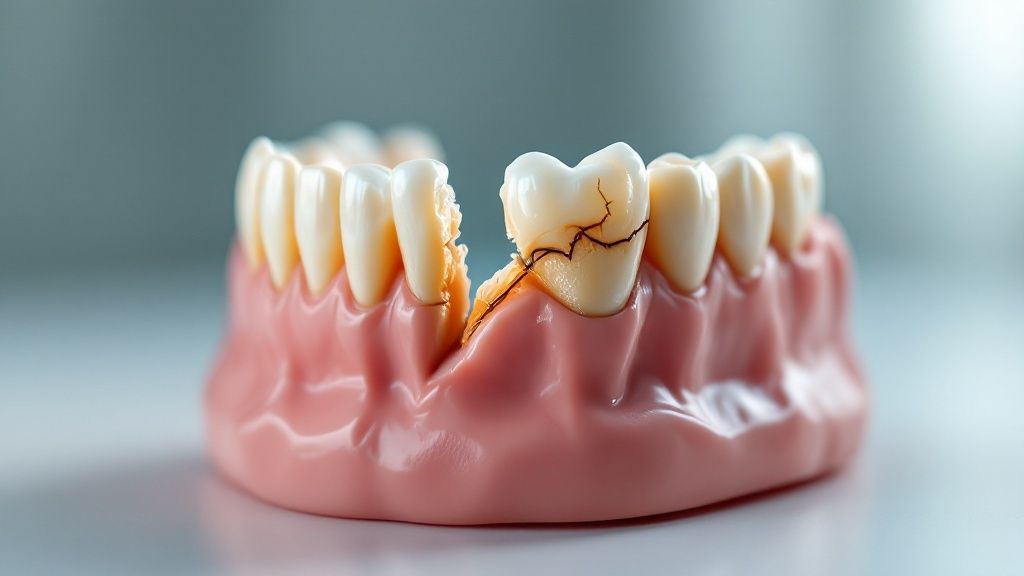
Finding a piece of your tooth has chipped off is unsettling, but it happens more often than you might think. Your wisdom teeth are tucked way in the back, making them hard to clean. This location means they often develop decay, which weakens the tooth and makes it more likely to break.
A break can happen in a couple of ways. You might feel a sudden crack while chewing, or you may not notice anything until your tongue finds a new, sharp edge. Sometimes it’s just a tiny chip, but other times a larger piece can break off, exposing the sensitive inner parts of the tooth.
Your First Steps After a Break
The moment you realize your tooth is broken, take a deep breath. There’s no need to panic, but you do need to act. First, gently feel the area with your tongue or a clean finger to get a sense of the damage.
Next, pay attention to how it feels. This information is very helpful when you call our office. Make a mental note of any of these symptoms:
- Sharp or dull pain: Is it a constant ache, or does it only hurt when you bite down?
- Bleeding: Is the tooth or the gum around it bleeding?
- Swelling: Look in the mirror. Do you see any puffiness in your cheek or jaw?
- Rough edges: Are there sharp points irritating your cheek or tongue?
Why You Need to Call a Dentist
Even if a broken wisdom tooth isn't causing much pain, you can't ignore it. A fracture is like an open door for bacteria to get deep inside the tooth. This can quickly lead to a serious infection or a painful abscess.
The risks of leaving a broken tooth untreated are significant. An infection that starts in your tooth can spread to your jaw, gums, and even other parts of your body. Prompt dental care is your best defense against these complications.
Here at West Bell Dental Care, we know how stressful this can be. We're here to help our neighbors in Surprise, Sun City, and Peoria get through this with gentle, effective care. Your best next step is to give our office a call. We'll provide guidance over the phone and get you scheduled for an appointment to prevent further problems.
Managing Pain and Swelling at Home
After the initial shock of a broken wisdom tooth wears off, you'll likely notice pain and swelling. While you’re contacting our Surprise office for an appointment, there are effective things you can do at home to stay comfortable.
Think of these steps as first aid for your mouth. They won’t fix the broken tooth, but they can make a big difference in your comfort level and help prevent infection until we can see you.
Simple Steps for Immediate Relief
One of the easiest things you can do is a gentle warm salt water rinse. Mix about half a teaspoon of salt into a glass of warm water. Swish it around your mouth for about 30 seconds, focusing on the area, and then spit it out. This helps clean the area, reduce bacteria, and soothe irritated gums.
If you have some bleeding, take a piece of sterile gauze. Fold it into a small pad, place it over the broken tooth, and bite down with firm, steady pressure. Hold it there for about 15-20 minutes. This pressure usually helps a clot form and stops the bleeding.
This is your immediate action plan for a broken wisdom tooth.
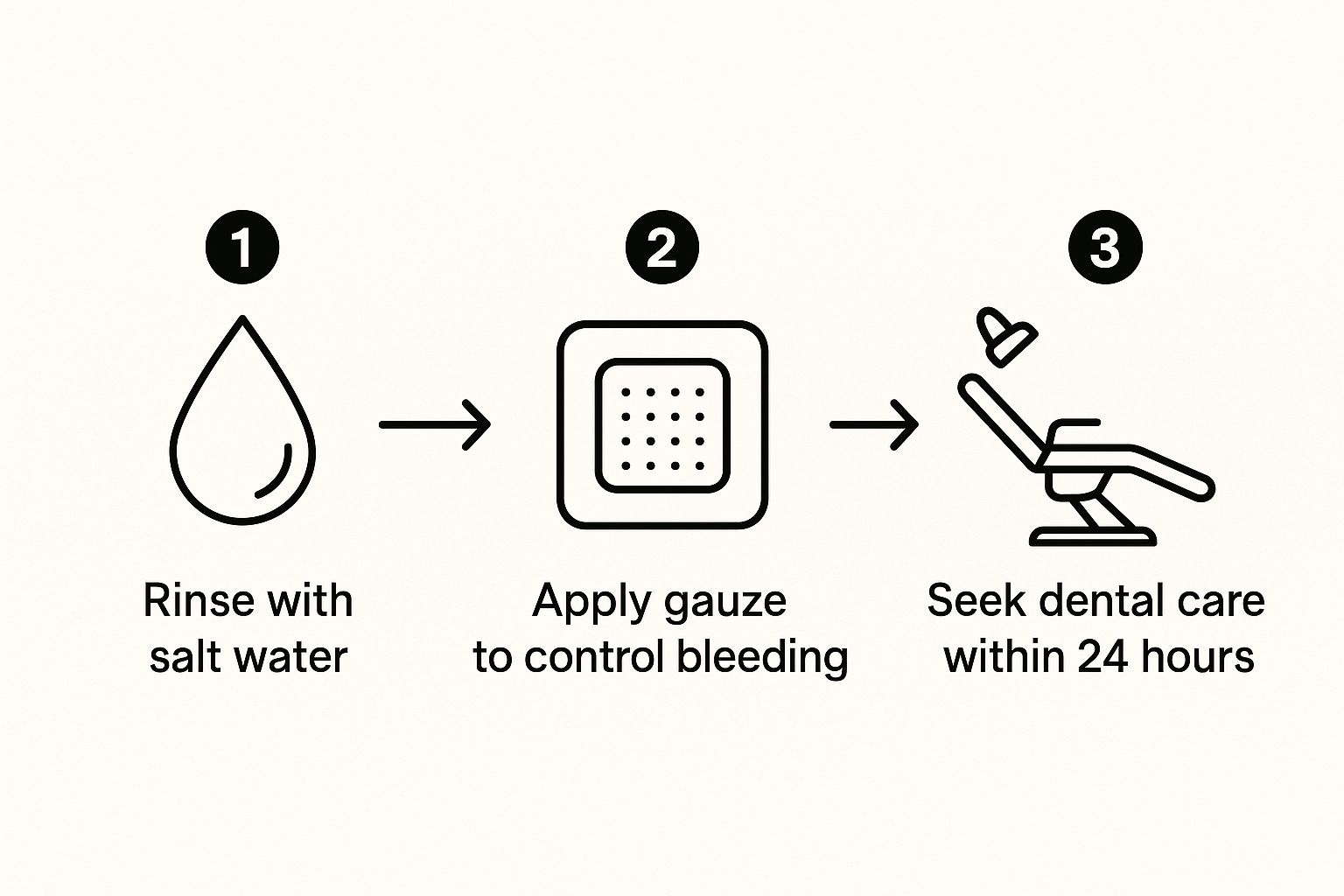
Following these steps—rinsing carefully, applying pressure if needed, and calling your dentist—is the best way to handle the situation right away.
To make things even clearer, here’s a quick guide for at-home first aid.
At-Home First Aid for a Broken Wisdom Tooth
This table breaks down the immediate actions you should take to manage the situation before your dental appointment.
| Action | Why It Helps | How to Do It |
|---|---|---|
| Warm Salt Water Rinse | Cleans the area, reduces bacteria, and soothes irritated gums. | Mix ½ tsp of salt in 8 oz of warm water. Swish gently for 30 seconds, then spit. Repeat 2-3 times a day. |
| Apply Sterile Gauze | Helps control minor bleeding by promoting clot formation. | Fold a piece of sterile gauze, place it over the tooth, and bite down with firm pressure for 15-20 minutes. |
| Use a Cold Compress | Reduces swelling and inflammation, and provides a numbing effect for pain. | Wrap an ice pack in a thin towel and apply it to your cheek for 15-20 minute intervals. |
| Take OTC Pain Relievers | Manages pain and can help reduce inflammation. | Use an anti-inflammatory like ibuprofen, following the package directions carefully. |
These simple measures can help you feel more in control and ease your discomfort while you wait for professional care.
Addressing Discomfort and Swelling
Over-the-counter pain relievers can be very helpful. An anti-inflammatory medication like ibuprofen is often a good choice because it helps with both pain and swelling. Just be sure to follow the dosage instructions on the package.
For swelling on your cheek, a cold compress works well. Wrap an ice pack in a thin towel and hold it against your cheek for 15-20 minutes at a time. This helps reduce swelling and provides temporary numbing relief.
Dealing with wisdom teeth issues is very common. According to the American Association of Oral and Maxillofacial Surgeons, about 85% of wisdom teeth will eventually need to be removed. A broken wisdom tooth is one of the many reasons this procedure is so widespread.
If you've recently had a procedure and are feeling discomfort, it helps to know what to expect. For more on that, take a look at our guide on managing pain in your jaw after wisdom teeth extraction.
Remember, these at-home tips are for immediate relief. The most important step is scheduling a visit with us at West Bell Dental Care for a permanent solution.
The Risks of Ignoring a Broken Wisdom Tooth

When a broken off wisdom tooth isn't causing severe pain, it's easy to think you can "wait and see." But putting off a trip to the dentist is a big gamble with your health. A fractured tooth is a wide-open door for bacteria to get inside.
This opening allows harmful bacteria to reach the sensitive pulp of your tooth and the surrounding gum tissue. This can lead to a painful infection or a dental abscess—a pocket of pus that can form in your jawbone.
More Than Just a Toothache
An infection is the biggest concern, but the risks don't stop there. The sharp edges from the break can constantly rub against the inside of your cheek and tongue. This can create painful sores that make eating and talking difficult.
Letting the problem go can also lead to more serious issues, such as:
- Widespread Infection: An untreated abscess can spread to your jaw, neck, and other parts of your body. This is a serious health emergency.
- Gum Disease: The break creates a new spot that's hard to clean. Plaque builds up, leading to inflamed, bleeding gums.
- Damage to Nearby Teeth: An infected wisdom tooth can harm the healthy molar next to it, causing decay or other damage.
Problems with wisdom teeth are very common. A large analysis of dental claims showed that by age 25, around 80% of people have had at least one tooth extracted, with half of those being wisdom teeth. This shows how often these teeth need professional help. You can read more findings from this extensive dental study to understand how common these issues are.
Why Prompt Care Is Crucial
Getting timely treatment stops a small problem from becoming a big, expensive, and painful one. An infection that starts in the tooth might require more intensive treatments later. For example, if the infection gets deep into the tooth's pulp, you might need specialized care. Understanding root canal therapy can provide context on how dentists save severely infected teeth.
At West Bell Dental Care, we want our patients in Surprise, Sun City, and Peoria to know that quick action is your best defense. Addressing a broken wisdom tooth early is simpler, less invasive, and better for your overall health.
Don't let a small chip become a major health crisis. Contact us as soon as you notice a problem so we can provide the gentle care you need.
How Your Dentist Can Fix a Broken Wisdom Tooth
When you visit our Surprise office with a broken wisdom tooth, our first step is to see exactly what's going on. We know you might be in pain or feeling anxious, so we start with a gentle exam and usually an X-ray. This gives us the full picture, including what’s happening below the gum line.
The right fix for a broken-off wisdom tooth depends on how bad the break is. We’ll talk you through every option, making sure you feel comfortable with the plan.
Assessing the Damage and Treatment Options
A broken wisdom tooth doesn't always mean a major procedure. For a minor chip, we might just need to smooth out the sharp edge to stop it from irritating your cheek or tongue.
If the break is more serious but the tooth is still savable, we can look at restorative dental services. These options could include:
- A dental filling: If the break is small and hasn't reached the nerve, a filling can repair the tooth and seal it from bacteria.
- A dental crown: For a larger fracture, a crown could be placed over the remaining tooth to restore its shape and strength. However, this is not a common choice for wisdom teeth.
The main issue is that wisdom teeth are far back in the mouth and hard to keep clean. They also don't play a big role in chewing. Because of this, the most practical and common treatment is often to remove the tooth.
The Wisdom Tooth Extraction Process
Hearing the word "extraction" can sound scary, but it's a very routine and safe procedure. At West Bell Dental Care, your comfort is our top priority. We use a local anesthetic to completely numb the area, so you won't feel any pain during the process, just a bit of pressure.
Once you’re numb, the procedure is straightforward. We gently remove the tooth from its socket. If the tooth is impacted or broken below the gum line, a small incision might be needed. After the tooth is out, we'll clean the area to ensure it heals well.
Our Promise to You: We are dedicated to making your experience as comfortable and stress-free as possible. From explaining the procedure to providing sedation options for anxious patients, our team is here to support you.
Choosing to extract a wisdom tooth is often a strategic decision to prevent future pain and infections. It's a huge part of modern dental care. Hospitalization rates for impacted tooth removal have risen significantly in some areas, like the 81% increase seen in Western Australia over a decade. This shows how common and necessary these procedures have become. You can discover more insights on dental healthcare trends to see why being proactive is so important.
In the end, our goal is to get you out of pain and protect your long-term oral health.
Your Recovery and Aftercare Guide

Once your broken off wisdom tooth is treated, the focus shifts to healing. Good aftercare is key to a smooth and comfortable recovery, especially after an extraction. Following our guidance will help you avoid complications and feel better quickly.
The first 24 hours after an extraction are critical. During this time, your body forms a blood clot in the empty tooth socket. Your main job is to protect that clot, as it’s the foundation for new bone and gum tissue.
Navigating the First Few Days
Right after your procedure, you’ll manage bleeding, swelling, and some discomfort. We’ll send you home with sterile gauze to bite down on. Keep firm pressure on it for about 30–60 minutes to stop any remaining bleeding.
Swelling is your body’s natural response and usually peaks around the second or third day. A cold compress is very helpful for this.
- Apply Ice: Wrap an ice pack in a thin towel. Hold it against your cheek for 20 minutes on, then 20 minutes off.
- Keep Your Head Elevated: When resting, prop your head up with an extra pillow. This simple trick helps reduce swelling.
These small actions can make a big difference. Most importantly, rest and avoid any strenuous activity for at least the first day so your body can focus on healing.
Diet and Hygiene for a Healthy Recovery
What you eat and how you keep your mouth clean are very important. For the first few days, stick to a diet of soft foods that don’t require much chewing.
Your diet should be gentle on the surgical site. Think smoothies (no straws!), yogurt, applesauce, mashed potatoes, and lukewarm soups. Avoid anything hot, spicy, crunchy, or hard that could irritate the healing socket.
When it comes to cleaning, be gentle. You can brush your other teeth normally, but stay away from the surgical area for the first day. After 24 hours, you can start rinsing very gently with a warm saltwater solution. Do this after meals to keep the area clean.
We have a complete guide with more detailed instructions. You can find more tips on how to care for your mouth after a tooth extraction to ensure your recovery is complication-free. This is a great resource for our patients in Surprise and Sun City West.
Frequently Asked Questions
Is a broken wisdom tooth a dental emergency?
It can be. If you have severe pain, bleeding that won't stop, or swelling in your face or jaw, you need immediate dental care. These symptoms can point to an infection. Call our Surprise office right away, and we can determine if you need an emergency appointment.
Will my broken wisdom tooth have to be pulled out?
Extraction is very common, but not always necessary. If the break is minor, we might be able to repair it with a filling. However, because wisdom teeth are hard to clean and not essential for chewing, removing the tooth is often the best long-term solution to prevent future problems.
How much does it cost to fix a broken wisdom tooth in Surprise, AZ?
The cost varies depending on the treatment needed. A simple procedure will cost less than a more complex surgical extraction. At West Bell Dental Care, we provide a clear breakdown of costs and discuss your insurance and payment options beforehand so there are no surprises for our patients.
What if the broken wisdom tooth doesn't hurt?
Even if there's no pain, you should still see a dentist. A lack of pain doesn't mean there isn't a problem. The fracture can trap bacteria, leading to a silent infection, and the sharp edges can cause sores in your mouth. A quick evaluation can prevent these issues from getting worse.
Why shouldn't I wait a few weeks to see a dentist?
Waiting gives bacteria time to cause a serious infection or abscess. Delaying treatment for a broken off wisdom tooth almost always leads to more complex and expensive procedures later. It's best to contact our Surprise office as soon as you notice the problem. A broken tooth can also cause bad breath; learn more about what causes bad breath in our other guide.
Don't let a small chip turn into a painful emergency. If you're in Surprise, AZ, or the nearby communities of Sun City, El Mirage, or Peoria, and need help with a broken wisdom tooth, contact West Bell Dental Care today. Schedule your appointment online or call our friendly team to get the expert, compassionate care you deserve. Visit us at https://westbelldentalcare.com to book now.
Ready to See a Dentist in Surprise, AZ?
Dr. Jennifer H. Wynn and the West Bell Dental Care team are here to help. Call us at 480-795-2420 or book online below.

Medically reviewed by Dr. Jennifer H. Wynn, DDS — Founder of West Bell Dental Care, Surprise, AZ. Graduate of Loma Linda University School of Dentistry with 30+ years of experience in general, cosmetic, and restorative dentistry. NPI: 1144359720 | AZ License: D009624.