

Getting a tooth extracted is a common dental procedure, but what you do afterward is crucial for a fast, comfortable recovery. Proper aftercare helps you avoid painful complications like dry socket and ensures the area heals correctly, something we emphasize for all our patients here in Surprise, AZ.
Think of the first 24-48 hours as the most critical window for your body to begin its natural healing process. The blood clot that forms in the empty socket is your body's protective bandage. Dislodging it can lead to significant pain and set back your recovery time.
This guide is designed to give you clear, actionable advice on exactly what not to do after tooth extraction. By avoiding a few common missteps, you can protect this delicate healing site and get back to your routine much faster. At West Bell Dental Care, our goal is to empower you with the knowledge needed for a smooth experience.
1. Don't Smoke or Use Tobacco Products
Of all the things on the list of what not to do after tooth extraction, avoiding tobacco is arguably the most critical for a smooth recovery. Smoking, vaping, or using smokeless tobacco introduces a perfect storm of problems that can derail the healing process and lead to intensely painful complications.
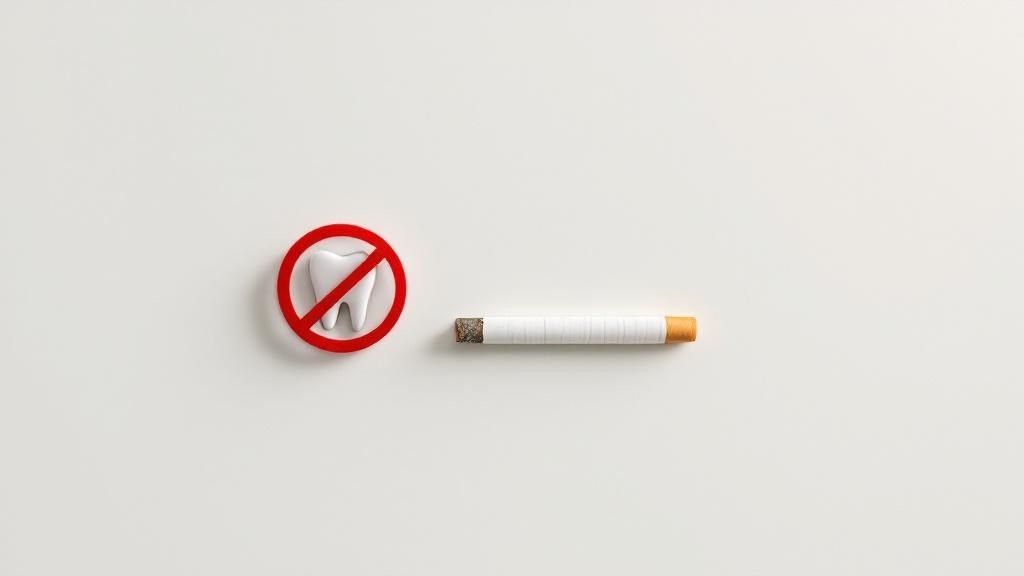
The primary danger is the development of a dry socket, or alveolar osteitis. This condition occurs when the essential blood clot that forms in the empty socket gets dislodged or dissolves prematurely, exposing the underlying bone and nerves to air, food, and fluids. The result is severe, throbbing pain that requires immediate dental intervention.
Why Tobacco is So Harmful to Healing
Tobacco use sabotages your body's natural healing mechanisms in several key ways:
- The Sucking Motion: The physical act of inhaling on a cigarette, vape, or cigar creates negative pressure in your mouth. This suction is often strong enough to pull the protective blood clot right out of the socket.
- Chemical Interference: Tobacco products contain chemicals, like nicotine, that constrict blood vessels. This reduces blood flow to the extraction site, starving the healing tissues of the oxygen and nutrients they need to repair themselves properly.
- Increased Risk: The negative impact is well-documented. Studies have shown that smokers have a significantly higher incidence of dry socket compared to non-smokers. (PubMed)
Actionable Tips for Tobacco Users
Your dentist at West Bell Dental Care understands that this can be a difficult request for our patients in Surprise and Sun City. Here is how to manage it:
Key Insight: The first 72 hours after your extraction are the most vulnerable period for the blood clot. It is absolutely essential to abstain from all tobacco products during this initial healing phase.
We recommend using this time as a great opportunity to begin a cessation plan. If that is not feasible, consider using a nicotine patch to manage cravings without the harmful oral effects of smoking or vaping. Ignoring this rule is a common and painful error, something we explore further in our guide to common dental health mistakes.
2. Don't Use Straws or Create Suction
Similar to smoking, any action that creates suction inside your mouth is a major risk following a tooth extraction. It might seem harmless to sip a smoothie through a straw or forcefully spit, but these simple actions can have severe and painful consequences for your healing socket.
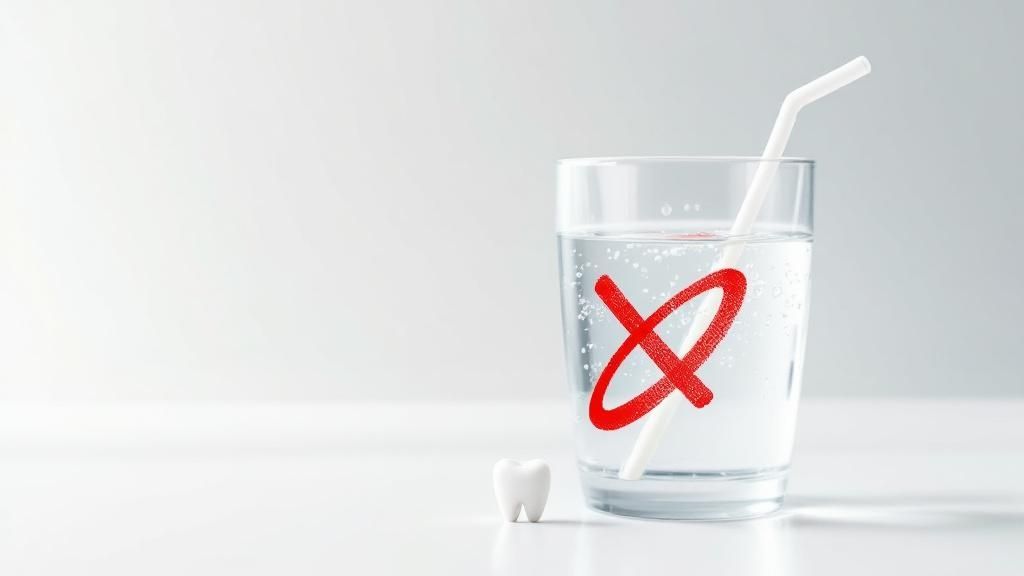
The negative pressure created by suction is often more than enough to dislodge the vital blood clot. Losing this clot is the primary cause of dry socket, a complication where the bone and nerves are left exposed. This not only causes intense pain but also significantly delays the healing process, requiring another visit to your dentist.
Why Suction is a Threat to Healing
The mechanics of suction directly counteract the natural healing process. Here’s how everyday habits can become harmful:
- Using a Straw: The vacuum effect created when you drink through a straw can easily pull the blood clot from its place. Even a single sip can be enough to cause this painful complication.
- Forceful Spitting: The urge to spit out blood or saliva is common, but the pressure generated can dislodge the clot. Aggressively spitting to "clean" the area often causes more harm than good.
- Other Actions: Even less obvious habits, like aggressively swishing liquid, puffing out your cheeks, or playing a wind instrument, can create enough internal pressure to disrupt the healing site.
Actionable Tips to Avoid Suction
Protecting your extraction site from suction is straightforward with a bit of mindfulness. The team at West Bell Dental Care wants to ensure your recovery is as smooth as possible.
Key Insight: For the first 24-48 hours, treat your mouth like a no-suction zone. Your main goal is to do nothing that could disturb the fragile blood clot as it stabilizes and forms the foundation for new tissue growth.
Instead of using a straw, drink liquids directly from a glass or cup. If you need to clear your mouth, gently lean over the sink and let saliva drip out naturally rather than spitting. Avoiding these and other bad habits for your teeth and gums is crucial for a complication-free recovery.
3. Don't Eat Hard, Crunchy, or Sticky Foods
After a tooth extraction, your diet is a crucial component of your healing plan. Choosing the wrong foods can easily disrupt the delicate process taking place in the empty socket, causing pain, bleeding, and serious complications.
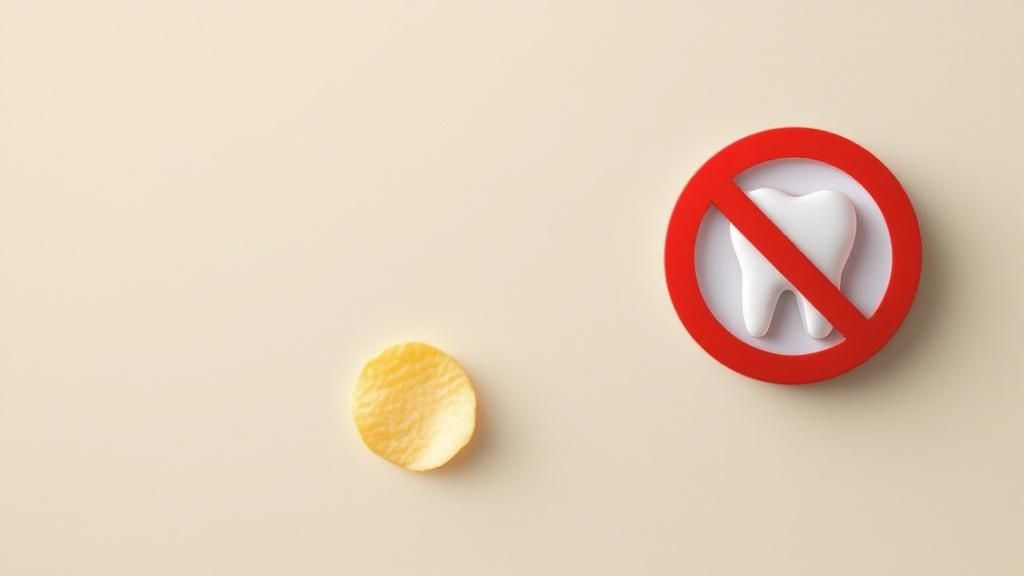
The primary goal is to protect the new blood clot that acts as a natural bandage over the extraction site. Biting down on something hard, like a chip or a piece of hard candy, can physically traumatize the area. Worse yet, sticky foods like caramel or taffy can pull the clot right out, leading to a painful dry socket.
Why These Foods are a Problem
Consuming problematic foods can introduce several risks that jeopardize a smooth and speedy recovery:
- Mechanical Disruption: Hard and crunchy foods require significant chewing force. This pressure can cause pain, initiate fresh bleeding, and even damage the sutures your dentist may have placed.
- Particle Contamination: Foods like popcorn, nuts, and anything with small seeds are particularly dangerous. Tiny, sharp fragments can easily become lodged inside the open socket, where they are difficult to remove and can introduce bacteria, leading to a painful infection.
- Clot Dislodgement: The stickiness of certain foods, such as gummies or chewy granola bars, creates an adhesive-like effect. As you chew, these foods can latch onto the blood clot and pull it loose.
Actionable Tips for a Post-Extraction Diet
At West Bell Dental Care, we guide our patients to make smart food choices that promote healing. Stick to a soft food diet for the first few days to allow the site to heal.
Key Insight: Your focus should be on nutrition that requires minimal to no chewing. Foods that are smooth and lukewarm are ideal, as extreme temperatures can also irritate the fresh wound.
For the first 24 to 72 hours, prioritize foods like yogurt, applesauce, mashed potatoes, smoothies (without a straw), and lukewarm soups. As you feel more comfortable, you can gradually reintroduce slightly firmer foods, always being careful to chew on the side opposite the extraction. Proactive dietary choices are a cornerstone of good recovery, a principle we emphasize in all our preventive dentistry services in Surprise, AZ.
4. Don't Rinse Vigorously or Use Mouthwash Immediately
While keeping your mouth clean is important, the approach you take in the first 24 to 48 hours is crucial. Vigorous rinsing, spitting, or using commercial mouthwash immediately after an extraction is a significant mistake that can dislodge the vital blood clot.
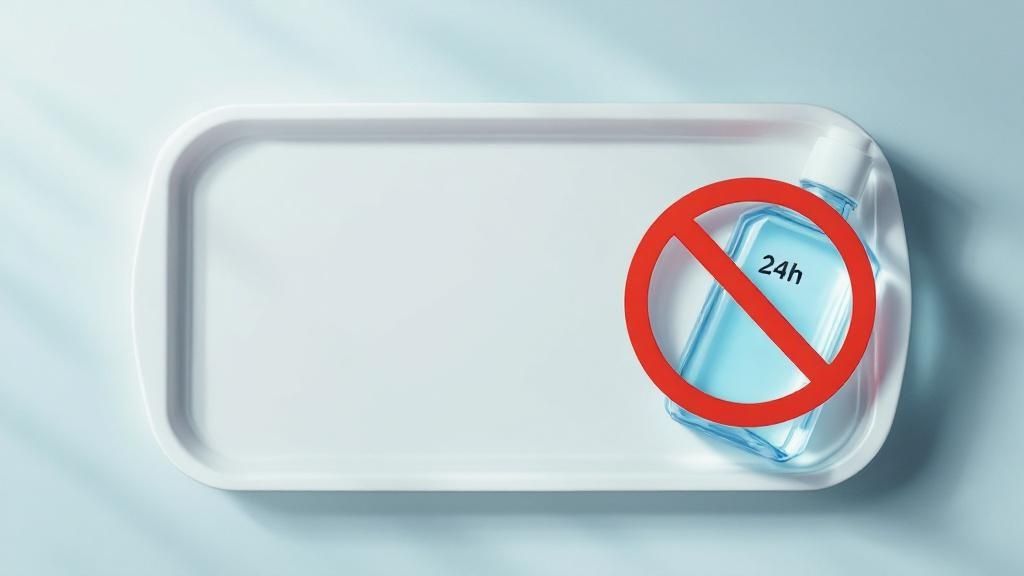
Think of the blood clot as a natural bandage protecting the sensitive bone and nerve endings underneath. Any forceful action can remove this protective layer. This not only invites the severe pain of a dry socket but can also cause renewed bleeding and delay the entire healing process.
Why Forceful Rinsing is Detrimental
Gentleness is key to protecting the extraction site in the initial phase. Here’s why aggressive oral hygiene is so harmful:
- Mechanical Disruption: The force created by swishing or spitting is often all it takes to dislodge the fragile, newly formed blood clot.
- Chemical Irritation: Many commercial mouthwashes contain alcohol and other potent ingredients. These can irritate the tender, healing gum tissue and interfere with the delicate healing environment.
- Creating a Dry Socket: Ultimately, the primary risk is creating a dry socket. Losing that blood clot exposes the underlying structures to everything in your mouth, leading to throbbing pain that often radiates to your ear and requires an emergency visit to your dentist.
Actionable Tips for Gentle Oral Hygiene
Your dental team at West Bell Dental Care wants to ensure your healing is swift and comfortable. Follow these steps for proper care:
Key Insight: Avoid all rinsing, spitting, and swishing for the first 24 hours. After this period, you can introduce a very gentle salt water rinse to cleanse the area and promote healing without disturbing the clot.
Follow this gentle rinsing protocol: Mix a half teaspoon of salt in an 8-ounce glass of warm water. Instead of swishing, simply tilt your head from side to side, allowing the solution to flow gently over the extraction site. Let the water fall out of your mouth into the sink rather than spitting it out.
5. Don't Skip Pain Medication or Ice Application
After an extraction, some discomfort and swelling are normal. However, actively managing these symptoms is a crucial step in ensuring a comfortable recovery. Ignoring pain management and swelling control can transform mild discomfort into a significant obstacle.
Thinking you can "tough it out" is a common but misguided approach. Uncontrolled pain elevates stress levels and can raise your blood pressure, both of which are counterproductive to healing. Similarly, unchecked swelling can cause stiffness and prolonged soreness in your jaw.
Why Proactive Management is Essential for Healing
Properly managing pain and inflammation creates an environment where your body can focus on healing the extraction site.
- Pain Pre-emption: Taking medication before pain becomes severe is far more effective. Once intense pain sets in, it is much harder to control.
- Swelling Control: Swelling is your body's natural inflammatory response, but excessive swelling can limit jaw movement. Applying cold packs constricts the blood vessels in the area, which minimizes fluid buildup, reduces inflammation, and provides a numbing effect.
- Supporting Overall Recovery: A patient who manages pain effectively is more likely to stay hydrated and nourished. This helps the body repair itself more quickly.
Actionable Tips for Pain and Swelling
Your dentist at West Bell Dental Care provides specific instructions to make your recovery as smooth as possible. Sticking to this plan is key.
Key Insight: The goal is not just to mask pain, but to keep it at a manageable level that allows you to rest and recover. Treat pain and swelling management as an active part of your healing.
Follow these steps to stay ahead of discomfort:
- Take your prescribed or recommended pain medication on a strict schedule for the first 24-48 hours, even if you feel okay.
- Apply an ice pack wrapped in a thin towel to the outside of your cheek. Use it for 15-20 minutes on, then 20 minutes off, for the first 24 hours.
- If you are cleared to take them, over-the-counter anti-inflammatory drugs like ibuprofen can be very effective.
By following these simple but critical steps, you can significantly improve your comfort. For a complete guide, learn more about how to care for your mouth after a tooth extraction on our blog.
6. Don't Exercise or Do Strenuous Activities
While it may be tempting to jump back into your daily routine, resting is non-negotiable. Engaging in strenuous physical activity too soon elevates your blood pressure and heart rate, which can lead to complications at the extraction site like increased bleeding, throbbing, and swelling.
The delicate blood clot forming in the socket is extremely fragile in the first few days. Any sudden jolt or increase in blood flow can easily dislodge it, triggering a painful dry socket or simply restarting the bleeding you thought had stopped.
Why Physical Exertion is Harmful to Healing
Pushing your body too hard after oral surgery directly interferes with the healing process in several critical ways:
- Increased Blood Pressure: Activities like running or weightlifting raise your blood pressure. This pressure can overwhelm the fragile new capillaries at the extraction site, causing them to rupture and bleed.
- Risk of Dislodgement: The physical impact from activities like jogging or even bending over quickly can be enough to dislodge the protective blood clot.
- Delayed Healing: Your body needs to direct its energy toward healing the wound. Strenuous exercise diverts these resources to your muscles, slowing down the vital repair work.
Actionable Tips for a Restful Recovery
At West Bell Dental Care, we want your healing to be as quick and comfortable as possible. Here is how to manage your activity levels after an extraction:
Key Insight: Complete rest is mandatory for the first 24 hours. For the next 48-72 hours, you should continue to avoid any activity that could raise your heart rate or require physical effort.
If your job involves physical labor, it is essential to arrange for time off. When resting, keep your head elevated with pillows to minimize swelling. After a few days, you can gradually reintroduce light activities like walking, but listen to your body. If you feel any throbbing or notice bleeding, stop immediately and rest.
7. Don't Ignore Signs of Infection or Complications
While some discomfort is a normal part of the healing journey, a dangerous mistake is to dismiss symptoms that indicate a more serious problem. Your body provides clear signals when something is wrong, and learning to recognize them is critical.
After the first 48 to 72 hours, your pain and swelling should be gradually improving, not getting worse. If your pain suddenly intensifies, it could be a sign of dry socket or infection. These conditions will not resolve on their own and require professional intervention from your dentist.
Why You Must Monitor Your Symptoms
Your extraction site is an open wound, making it susceptible to bacteria. Promptly identifying and reporting complications is essential:
- Preventing Dry Socket: As discussed, this intensely painful condition occurs when the blood clot is lost. Worsening pain is the hallmark symptom, and early treatment is key.
- Stopping Infection Spread: An untreated infection can spread to surrounding tissues or even enter the bloodstream, leading to a systemic health emergency.
- Ensuring Proper Healing: Complications like infections interfere with your body’s ability to generate new bone and tissue in the socket. This can lead to long-term problems with the jawbone.
Actionable Tips for Post-Op Monitoring
At West Bell Dental Care, we want you to feel empowered, not anxious, during your recovery. Knowing what to watch for is the first step.
Key Insight: Pain and swelling should peak within the first 2-3 days and then steadily decrease. Any significant increase in pain after day three is a red flag that warrants an immediate call to your dentist.
Here are specific signs to monitor closely:
- Watch for a fever (a temperature over 100.4°F or 38°C).
- Be aware of any foul taste or persistent bad odor coming from the extraction site.
- Report any pus or yellowish discharge from the socket.
- Contact us if bleeding is still significant more than 24 hours after your procedure.
Never hesitate to call our office with your concerns. Keeping your gums healthy is foundational to overall oral wellness, a topic we explore further in our guide on how to prevent gum disease on westbelldentalcare.com.
Your Next Steps for a Healthy Smile in Surprise, AZ
Navigating the recovery period after a tooth extraction is a critical part of your oral health journey. By understanding and actively avoiding common pitfalls, you empower yourself to heal faster, more comfortably, and with fewer complications.
Your diligence during the first few days matters. Resisting the urge to smoke or use a straw is paramount to protecting the fragile blood clot that forms in the socket. Similarly, sticking to soft foods and avoiding vigorous rinsing helps prevent the painful condition known as dry socket.
Remembering to manage discomfort proactively and giving your body the rest it needs allows your system to direct its energy toward healing the extraction site efficiently. Mastering what not to do after tooth extraction is about creating the ideal healing environment.
Finally, always listen to your body. If you notice persistent bleeding, worsening pain, or signs of an infection like fever or pus, do not hesitate. Immediate communication with your dental provider is crucial. Your health and safety are always our top priority at West Bell Dental Care.
Frequently Asked Questions
1. How long do I have to avoid these things after a tooth extraction?
For most activities like using a straw, avoiding strenuous exercise, and not smoking, you should wait at least 72 hours. For diet, stick to soft foods for 3-5 days and gradually reintroduce firmer foods as you feel comfortable. Always follow the specific instructions from your dentist at West Bell Dental Care.
2. What are the first signs of a dry socket?
The most common sign of a dry socket is severe, throbbing pain that starts 2-4 days after the extraction and isn't relieved by pain medication. You may also see visible bone in the socket or experience a foul taste or bad breath. If you suspect a dry socket, call our Surprise, AZ office immediately.
3. Is it okay to brush my teeth after an extraction?
Yes, you should continue to brush your other teeth, but be extremely gentle around the extraction site for the first few days. Avoid spitting toothpaste out forcefully; instead, let it drip from your mouth into the sink to protect the blood clot.
4. When can I go back to work after a tooth extraction in Surprise, AZ?
This depends on your job. If you have a desk job, you may be able to return to work in 24-48 hours. However, if your job is physically demanding, we recommend taking at least 3-4 days off to ensure you don't dislodge the clot or increase bleeding and swelling.
5. Does West Bell Dental Care offer emergency appointments for complications?
Yes, we absolutely do. We understand that complications can happen, and we want our patients in Surprise, Sun City, and El Mirage to feel supported. If you experience severe pain, uncontrolled bleeding, or signs of infection after a procedure, please call our office right away for guidance.
Ready to ensure your smile is in the best hands? The compassionate team at West Bell Dental Care is dedicated to providing clear, supportive guidance for every patient in the Surprise, AZ area. Schedule your consultation or follow-up appointment with us to experience trusted, community-focused dental care.
Ready to See a Dentist in Surprise, AZ?
Dr. Jennifer H. Wynn and the West Bell Dental Care team are here to help. Call us at 480-795-2420 or book online below.

Medically reviewed by Dr. Jennifer H. Wynn, DDS — Founder of West Bell Dental Care, Surprise, AZ. Graduate of Loma Linda University School of Dentistry with 30+ years of experience in general, cosmetic, and restorative dentistry. NPI: 1144359720 | AZ License: D009624.