

So, what causes gum disease? The simple answer is plaque—a sticky film of bacteria that builds up on your teeth. If you don't clean it off, it can irritate your gums and cause serious problems over time.
This bacterial film is what starts the inflammation and can lead to bigger issues down the road.
Understanding Gum Disease and Why It Matters
Gum disease, also called periodontal disease, is a very common issue we see in our Surprise, AZ, dental office. It's an infection of the tissues that hold your teeth in place. It often starts slowly without you even noticing.
The problem begins when plaque bacteria cause your gums to become inflamed. This is your body's natural way of fighting the infection.
It doesn't happen overnight. It develops in stages, and knowing the signs can help you catch it early.
The Two Main Stages of Gum Disease
Gum disease usually happens in two main phases:
- Gingivitis: This is the first and mildest stage. Your gums might look a little red or puffy, or they might bleed when you brush. The good news? Gingivitis is completely reversible with good home care and professional cleanings.
- Periodontitis: If gingivitis isn't treated, it can turn into periodontitis. At this stage, the infection spreads below the gumline and starts to damage the bone and tissues supporting your teeth. This is much more serious and can lead to tooth loss.
It's a very common problem. According to the CDC, nearly half of adults over 30 in the U.S. have some form of gum disease. (CDC) That number jumps to over 70% for adults 65 and older.
Let's look at a quick overview.
Gum Disease At a Glance: Causes and Early Signs
This table gives you a quick snapshot of what causes gum disease and the first signs you should never ignore.
| Primary Cause | Early Warning Signs |
|---|---|
| Plaque Buildup: A sticky, colorless film of bacteria that constantly forms on your teeth, especially around the gumline. | Red, Swollen Gums: Healthy gums should be pink and firm. Puffiness or redness is a classic sign of inflammation. |
| Bleeding Gums: Seeing blood in the sink after brushing or flossing is not normal and is often the first symptom. | |
| Persistent Bad Breath: Bacteria can produce odors that mouthwash can't mask, indicating a deeper issue. | |
| Tender or Sore Gums: Gums that are sensitive to the touch can signal the early stages of irritation and infection. |
Watching for these signs helps you take action before gingivitis turns into more damaging periodontitis.
The most important thing to remember is that gum disease can be prevented and managed, especially when caught early.
At West Bell Dental Care, our goal is to help you understand your oral health without the confusion. Proper oral hygiene practices are the best way to keep plaque from building up. With consistent care from your local dentist in Surprise, you can keep your gums healthy for years to come.
The Main Cause: Plaque and Oral Hygiene
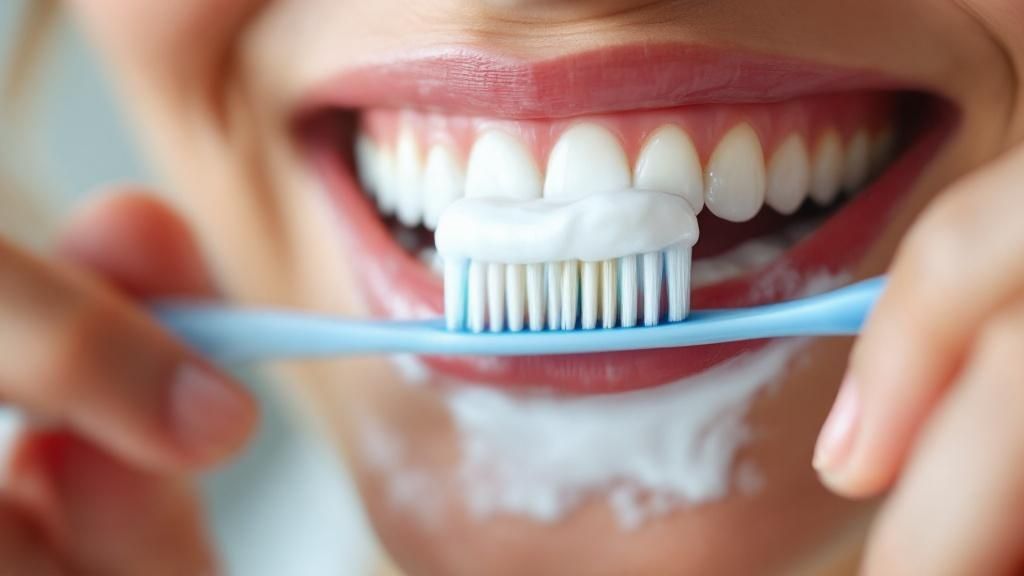
So, what's the main reason people get gum disease? It all starts with plaque. Every day, a sticky, clear film of bacteria builds up on your teeth. This is dental plaque, and it's the number one enemy of your gums.
Your mouth is full of bacteria that feed on the sugars in your food and drinks. As they eat, they produce acids that irritate your gum tissue. This is what causes the redness and swelling you see in the early stages of gum disease.
If plaque isn't removed every day, it hardens into a rough substance called tartar. This can happen in as little as 24 to 48 hours.
From Plaque to Tartar
Think of plaque like soft mud—easy to wipe away. But once it hardens into tartar, it’s like concrete stuck to your teeth.
Tartar’s rough surface is a perfect hiding spot for more plaque, which speeds up the infection. Once tartar forms, you can't brush or floss it away. It has to be removed by a professional during a dental cleaning at our Surprise, AZ office.
This tartar buildup, especially below the gumline, allows bacteria to cause serious damage. That's why professional cleanings are so important.
This is why your daily habits are so powerful. Good, consistent oral hygiene is your best defense against the bacteria that want to harm your gums.
Why Brushing Matters
Brushing your teeth is about more than just fresh breath. It’s about physically removing plaque before it has a chance to harden.
To make sure you're doing a good job, follow these tips:
- Brush twice a day: Make it a must-do in your morning and evening routine.
- Use the right tools: A soft-bristled toothbrush and fluoride toothpaste are best.
- Take your time: Brush for a full two minutes to clean every tooth surface.
- Get the angle right: Hold your brush at a 45-degree angle to your gums. Use gentle, short strokes to clean your teeth and the area where your gums meet your teeth.
This technique is important because it cleans the exact spot where plaque loves to hide.
Why You Can't Skip Flossing
Brushing is a great start, but it can’t reach everywhere. The tight spots between your teeth and under the gumline are prime real estate for plaque. That's where flossing comes in.
Flossing cleans out plaque and food from areas your toothbrush can't touch. If you skip flossing, you're leaving a large part of your tooth surface uncleaned. It is a critical step in preventing gum disease.
We know flossing can feel tricky at first, but it quickly becomes a simple habit. For a complete guide, check out our post on how to floss correctly. Taking just one minute a day to floss can save you from a lot of dental trouble. For our patients in Surprise, Peoria, and Sun City, we're always happy to give you a hands-on demo at your next visit.
How Your Lifestyle Affects Your Gum Health
While brushing and flossing are your main defense, they're only part of the story. Your daily choices—what you eat, if you smoke, how much you drink—also play a huge role in your risk for gum disease.
Think of your oral hygiene as your home's security system. Your lifestyle choices can either strengthen it or leave the doors wide open for trouble. For many people in Surprise, AZ, it's easy to overlook how these habits connect to our oral health.
The Impact of Tobacco Use
Using tobacco is one of the worst things you can do for your gums. Whether it's cigarettes or chewing tobacco, the damage to your oral health is serious.
Here’s why it's so bad:
- It weakens your immune system. Tobacco makes it harder for your body to fight off infections, including gum disease.
- It restricts blood flow. Nicotine squeezes your blood vessels, which reduces the supply of blood and oxygen to your gums. This makes it harder for them to heal.
- It hides the symptoms. Because of reduced blood flow, smokers often don't see the early warning sign of bleeding gums. This can make you think everything is fine while the disease gets worse.
In fact, people who smoke are about twice as likely to develop gum disease compared to non-smokers. Quitting is one of the best things you can do for your mouth and your entire body.
How Your Diet Feeds or Fights Bacteria
What you eat directly affects the bacteria in your mouth. A diet high in sugary foods and drinks helps the bad bacteria thrive. These bacteria feed on sugar and produce acids that irritate your gums.
On the other hand, a balanced, healthy diet can be a strong defense.
- Vitamin C helps keep your gums firm and healthy. You can find it in citrus fruits, bell peppers, and broccoli.
- Calcium is key for keeping the bone that supports your teeth strong. Dairy products and leafy greens are great sources.
- Crunchy fruits and vegetables like apples and carrots act like natural toothbrushes, helping scrub away plaque as you chew.
The Effects of Alcohol
Heavy alcohol use can also harm your gums. Alcohol is dehydrating, which leads to dry mouth. Saliva is your mouth's natural cleaning service; it washes away food and neutralizes harmful acids.
When you have less saliva, plaque can build up much faster. This increases your risk for both cavities and gum disease. To learn more, check out information on how drug and alcohol use impacts health.
The small choices we make every day have a massive impact on our health.
The Mouth-Body Connection: Health Conditions and Gum Disease
Your mouth is a window into your overall health. The same inflammation that causes trouble in your gums can be linked to other health problems in your body. This is called the mouth-body connection.
Certain medical conditions can make you more likely to get gum infections. That’s why it’s so important to share your full medical history with your dentist in Surprise, AZ. It helps us see the full picture and create a care plan that truly protects you.
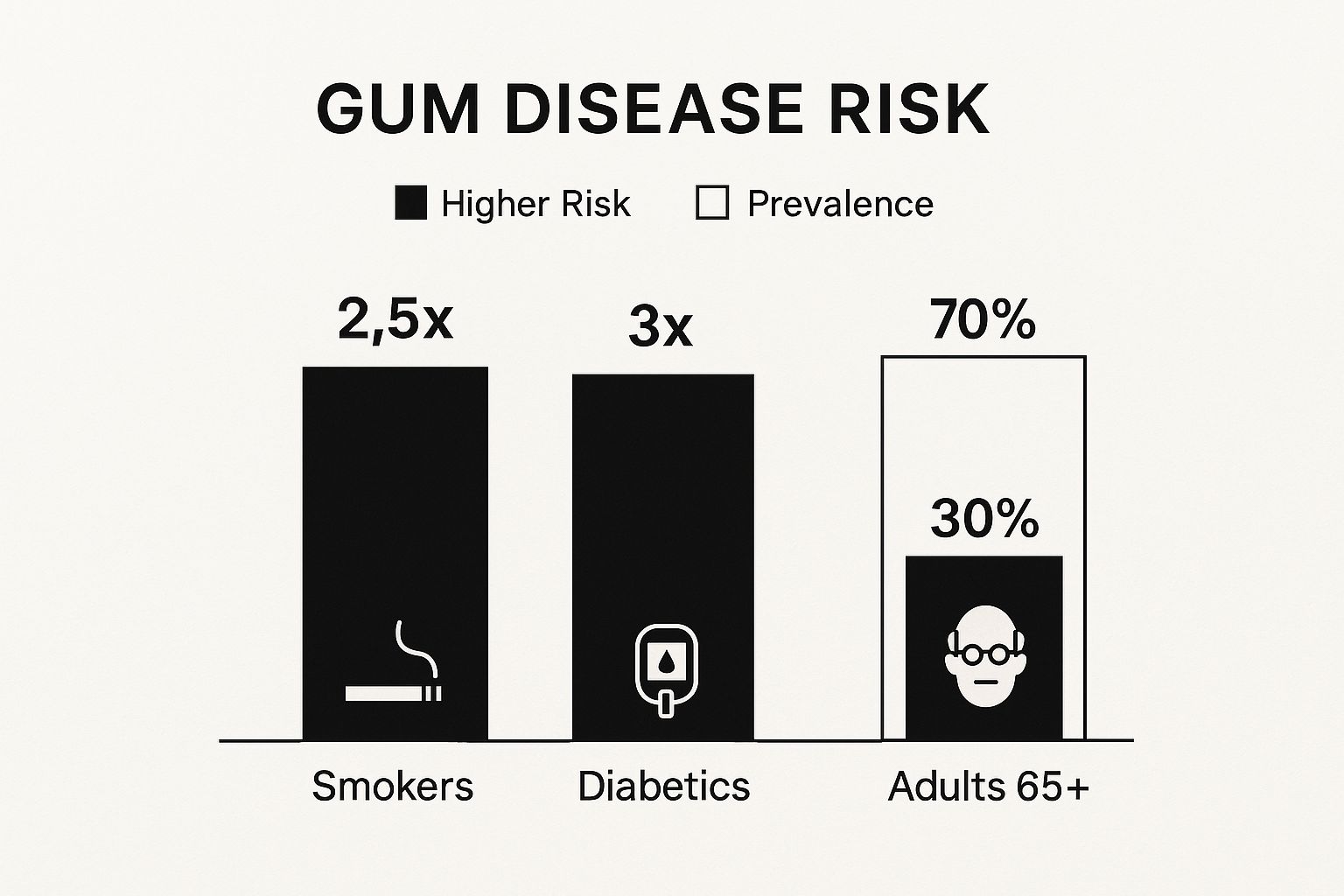
As you can see, things like diabetes and age can have a big impact on your gum health. This makes proactive dental care even more important.
The Role Of Diabetes
If you have diabetes, managing your gum health is a top priority. Diabetes affects your body's ability to control blood sugar. High blood sugar levels can weaken your body's ability to fight infections.
This means people with diabetes are more likely to develop gum disease and have a harder time healing from it. In fact, people with poorly controlled diabetes can be up to three times more likely to develop severe gum disease.
It's a two-way street, too. Active gum disease can make it harder to control your blood sugar. Working with both your doctor and your West Bell Dental Care team is the best way to manage both conditions.
Hormonal Changes and Gum Sensitivity
Hormones can have a powerful effect on your gums. The changes that happen during certain life stages can make your gums more sensitive to plaque.
- Pregnancy: Increased hormones can cause "pregnancy gingivitis," leading to swollen and bleeding gums.
- Puberty: The surge of hormones during the teen years can also make gums more sensitive.
- Menopause: Hormonal shifts during menopause can lead to dry mouth and other changes in gum tissue.
For residents in Sun City and Sun City West, understanding these changes is key. These hormonal shifts don't make gum disease a sure thing. It just means excellent home care and regular cleanings are even more important.
Medications and Dry Mouth
Many common medications for things like high blood pressure and allergies can cause dry mouth. Saliva is your mouth’s natural defense system. It rinses away food and neutralizes acids from plaque.
When you have less saliva, bacteria can multiply more easily. This increases your risk for cavities and gum disease. A dry mouth can also lead to what causes bad breath.
Your immune system is your body's defense against all infections. You can learn more about the role of probiotics in supporting immunity. Sharing your full health history allows our team to protect your smile better.
Common Risk Factors and Their Impact on Gum Health
Understanding these risk factors can help you take the right steps to protect your gums.
| Risk Factor | How It Affects Your Gums | What You Can Do |
|---|---|---|
| Diabetes | High blood sugar makes it harder for your body to fight infection. | Keep blood sugar stable; work with your doctor and dentist. |
| Hormonal Changes | Changes during pregnancy or menopause can increase gum sensitivity. | Be extra careful with brushing and flossing; get regular cleanings. |
| Medications | Many drugs cause dry mouth, which helps bacteria grow. | Drink plenty of water and talk to your dentist about solutions. |
| Genetics | Some people are more likely to get gum disease because of their family history. | Even with good habits, professional cleanings are a must. |
| Stress | Chronic stress can weaken your immune system, making it harder to fight gum infections. | Find ways to manage stress and stick to your oral hygiene routine. |
By being aware of these connections, you can work with us to create a dental care plan that is right for you.
Other Factors That Contribute to Gum Disease
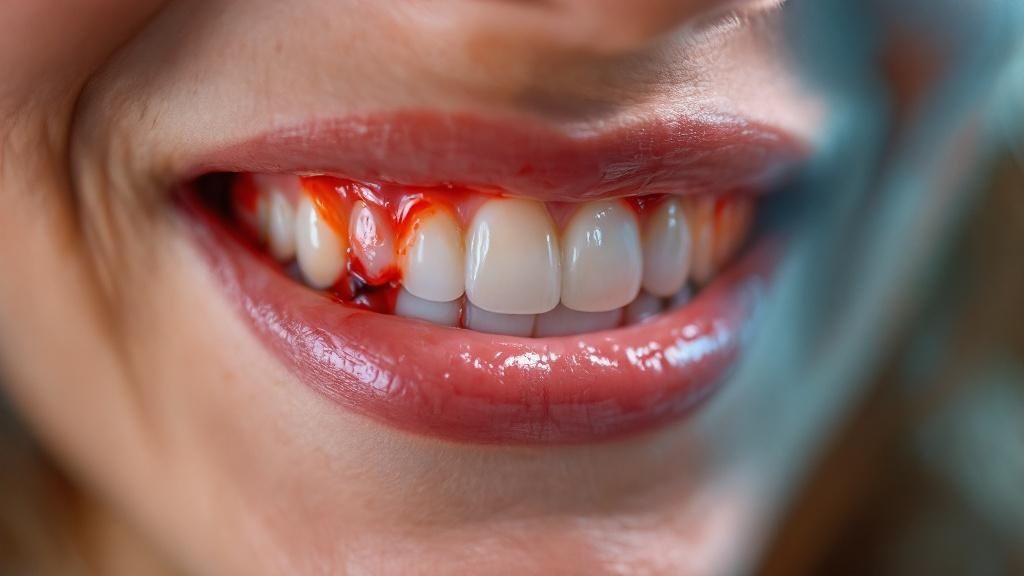
While your daily habits are the biggest factors, other things can put you at a higher risk for gum disease. Things like your genetics, age, and even stress levels can play a role.
Knowing about these contributors helps us at West Bell Dental Care create a more complete and personal plan to protect your smile.
The Role of Genetics
Have you ever wondered why some people get cavities or gum problems no matter how well they care for their teeth? Sometimes, the answer is in their genes. You can inherit a tendency to get gum disease.
This doesn't mean you're doomed to have problems. It just means you may need to be extra careful. If gum disease runs in your family, it’s even more important to be proactive with your oral health.
How Age Affects Your Gums
As we get older, our risk for some health issues goes up, and gum disease is one of them. This is a common topic for our neighbors in Sun City and Sun City West. But it's important to know that gum disease is not a normal part of aging.
The higher risk is often due to a lifetime of exposure to plaque or other health conditions. Research shows that gum disease often peaks in middle-aged adults. You can discover more about these findings on PubMed.
The longer your gums are exposed to plaque, the higher the chance of a problem. This makes regular professional cleanings an essential part of healthy aging.
The Link Between Stress and Gum Health
In a busy community like Surprise, AZ, stress can be a part of daily life. But chronic stress can have a direct, negative impact on your gums. High stress levels can weaken your immune system, making it harder for your body to fight off gum infections.
Stress can also lead to other bad habits:
- Skipping Your Routine: When you're overwhelmed, it's easy to forget to brush or floss.
- Teeth Grinding: Many people grind their teeth when stressed, which can damage the tissues that support them.
- Poor Diet: Stress often makes us reach for sugary foods, which plaque bacteria love.
Recognizing this connection is the first step to breaking the cycle. For more tips, our guide on 5 tips to prevent gum disease can help you build a strong routine.
Your Partner in Preventing Gum Disease in Surprise, AZ
Now that we've covered what causes gum disease, let's talk about how to stop it. Here at West Bell Dental Care, we want to be your partners in keeping your smile healthy for life. We are proud to support our neighbors in Surprise, Peoria, and Sun City with friendly, reassuring care.
The main takeaway is that while plaque is the key cause, many other things can raise your risk. That's why the best defense is a simple combination: great care at home and regular visits with our team.
The Foundation of a Healthy Smile
Daily brushing and flossing are a must. This is your first line of defense against the plaque that tries to form every day. But even the best home routine can't remove tartar—the hardened plaque that gives bacteria a place to hide.
This is where we come in.
Regular dental cleanings are the only way to professionally remove tartar. This simple step stops gum disease before it can turn into a serious problem. It is one of the most important investments you can make in your long-term health.
Our team is focused on making your visits comfortable and helpful. We want you to leave our office feeling confident and in control of your oral health. We understand that some people feel anxious about dental visits, and we promise to provide a gentle, judgment-free experience every time.
Take the First Step Today
Don't let fear stop you from protecting your smile. We truly believe that preventive dentistry for stronger teeth is the best way to avoid complex problems down the road.
Taking action is the most important thing you can do. We invite you to schedule a gum health check-up with our team at West Bell Dental Care today. Let us help you build a foundation for a healthy, confident smile that will last a lifetime.
Frequently Asked Questions
Is gum disease reversible?
Yes and no. The earliest stage, called gingivitis, is completely reversible. With good brushing, flossing, and professional cleanings, we can heal the inflammation. However, once it becomes periodontitis, the damage to the bone that supports your teeth is permanent. This is why catching it early is so important.
How often should I get a dental cleaning in Surprise, AZ to prevent gum disease?
For most of our patients in Surprise, a professional cleaning every six months is ideal. This schedule helps us remove the hardened tartar you can't get at home. If you have other risk factors, like diabetes or a history of gum problems, we may recommend more frequent visits.
Can I have gum disease without any pain?
Absolutely. This is what makes gum disease so sneaky. In its early stages, it is often completely painless. You might notice red or swollen gums that don’t hurt at all. This is why regular dental check-ups are so important—we can spot problems before you feel any pain.
Are electric toothbrushes better for preventing gum disease?
Both manual and electric toothbrushes work well when you use them correctly. However, many people find an electric toothbrush makes it easier to clean thoroughly, especially along the gumline. Most also have a built-in timer to make sure you brush for a full two minutes.
Does West Bell Dental Care offer treatments for advanced gum disease?
Yes, we provide care for every stage of gum disease. For more advanced cases (periodontitis), we offer treatments like scaling and root planing. This is a deep cleaning designed to manage the condition and prevent further damage. Our team is here to help our patients in Surprise and Sun City West protect their oral health for years to come.
Your smile and your health are what matter most to us. At West Bell Dental Care, we believe in giving our patients the knowledge and care they need to prevent serious issues.
If you have more questions or you’re ready to schedule a comprehensive gum health evaluation, please get in touch with our Surprise, AZ dental office today.