
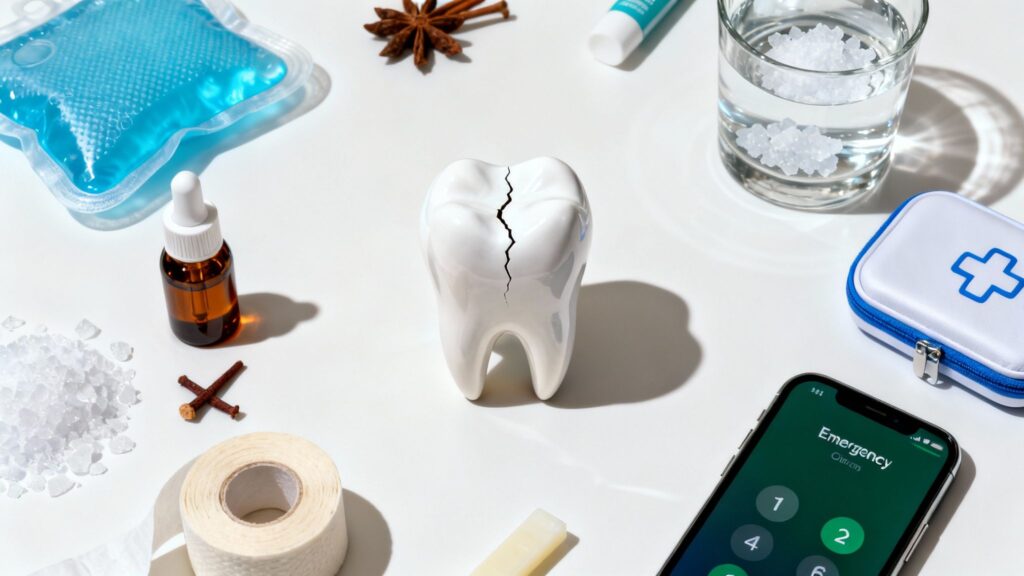
That sudden jolt of pain when you bite down can be scary. Discovering you have a cracked tooth often causes immediate worry. It might happen from biting something hard, an old filling failing, or an accident. No matter the cause, it's a clear sign something is wrong.
In Surprise, AZ, where families and active adults enjoy life, dental emergencies like a fractured tooth are more common than you'd think. According to dental professionals, emergency visits for broken teeth are a top reason people seek urgent care. You might feel panicked, but taking the right first steps can make a big difference in saving your tooth.
This guide gives you simple, practical advice for what to do right after you notice a cracked tooth. It's designed to help our neighbors in Surprise, Sun City, and Peoria handle this stressful situation calmly before seeing a professional. At West Bell Dental Care, we know emergencies don't wait for a good time. We're here to offer expert treatment and the guidance you need right away.
1. Avoid Chewing on the Cracked Tooth
The first and most important step is to stop using the cracked tooth right away. Biting down puts a lot of pressure on the tooth. This pressure can make the crack spread deeper, possibly reaching the sensitive inner part of the tooth.
Continuing to chew will not only make the pain worse but could turn a small problem into a big one. A small fracture could become a major dental emergency requiring more serious treatment.
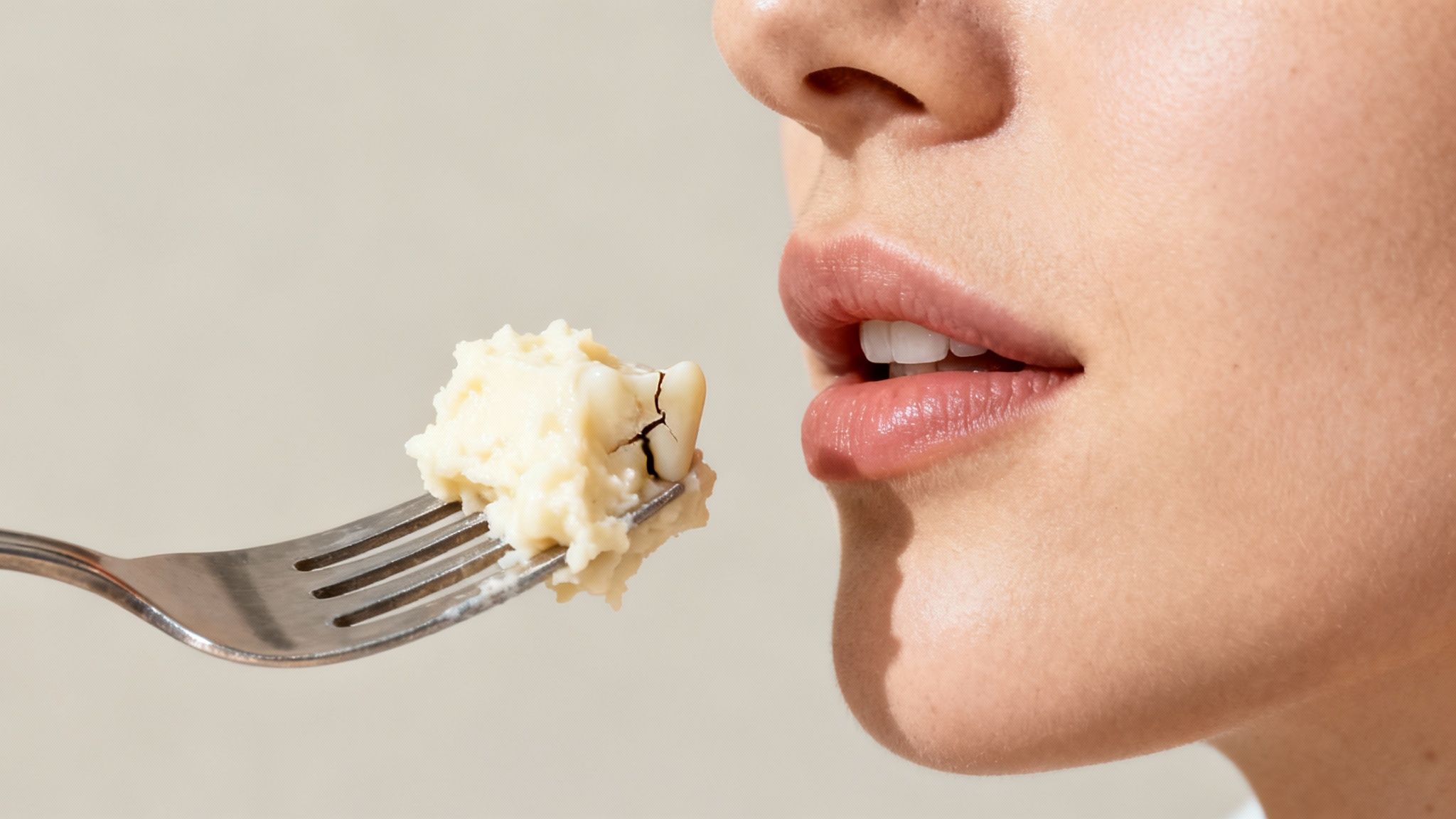
By not using the tooth, you protect it from more stress and damage while you wait for your appointment. This simple action helps contain the problem and manage your discomfort.
How to Do This Tip Right
Changing your eating habits for a short time can make a big difference. It just takes a little focus to protect your oral health.
- Chew on the Other Side: Make a habit of chewing only on the side of your mouth opposite the cracked tooth. It might feel strange at first, but it's the best way to reduce pressure on the damaged area.
- Switch to Soft Foods: Stop eating hard, crunchy, or sticky foods for now. These foods require a lot of chewing force and can easily make a crack worse. Stick to things like yogurt, soup, smoothies, and scrambled eggs.
- Cut Food into Small Bites: Even with soft foods, cutting them into small pieces means you won't have to chew as much. This gives the cracked tooth extra protection.
Key Insight: Protecting a cracked tooth is about more than just avoiding pain. It’s about stopping the crack from spreading. If a crack goes below your gumline or into the root, your treatment options become very limited. Sometimes, the only solution is to remove the tooth. You can learn more about handling these situations in our guide on what to do when dental emergencies happen in Surprise, AZ. Taking action right away is your best defense.
2. Apply a Cold Compress to Reduce Swelling and Pain
When a tooth cracks, the gums and jaw around it can get swollen and painful. A cold compress is a great way to manage these symptoms without medicine. The cold temperature narrows the blood vessels, which reduces swelling and helps numb the throbbing pain.

This simple home remedy can make the wait for your dental appointment much more comfortable. By controlling the swelling early, you can lessen the discomfort and keep the area from becoming more sensitive.
How to Do This Tip Right
Using a cold compress the right way is key to getting relief without hurting your skin.
- Wrap Your Compress: Never put ice directly on your skin. Always wrap it in a thin cloth or paper towel to create a protective barrier.
- Time Your Applications: Apply the cold pack to your cheek near the cracked tooth for 15-20 minutes at a time.
- Take Breaks: After 15-20 minutes, take the compress off for at least 30 minutes. This lets your skin return to a normal temperature before you apply it again.
- Act Quickly: A cold compress works best to control swelling within the first 24 hours after the injury.
Key Insight: A cold compress is for managing symptoms, not for healing the tooth. It gives you temporary relief from pain and swelling while you arrange to see a dentist. For more tips on using a cold compress, you can learn more about using a cold compress effectively. This method is also helpful for other dental issues, like pain from a broken-off wisdom tooth.
3. Take Over-the-Counter Pain Relief Medication
If your cracked tooth is causing a throbbing pain or sensitivity, over-the-counter (OTC) pain medicine can help. These medications can give you temporary relief by reducing swelling or blocking pain signals to your brain. This can make the time before your visit much more comfortable.
Using non-prescription pain relievers helps you manage the worst symptoms. This allows you to function without severe pain while you take other steps to protect your tooth.
How to Do This Tip Right
Choosing the right medicine and using it correctly will give you the best and safest results. Always follow the directions on the package.
- Choose an Anti-Inflammatory: Medicines like ibuprofen (Advil, Motrin) are often best for dental pain. They are NSAIDs (nonsteroidal anti-inflammatory drugs) that reduce the swelling around the cracked tooth, which is often the source of the pain.
- Consider Acetaminophen: If you can't take NSAIDs, acetaminophen (Tylenol) is another option. It works by blocking pain signals in the brain instead of reducing swelling.
- Follow Dosing Instructions: Never take more than the recommended dose listed on the package. Taking more won't give you extra relief and can be dangerous.
- Take with Food: To avoid an upset stomach, it's a good idea to take NSAIDs like ibuprofen with food or a glass of milk.
Key Insight: OTC medicine is for temporary pain relief, not a cure. It helps you manage until you can get professional dental care. While it can dull the pain, it doesn't fix the crack, which will only get worse without treatment. To learn more about handling severe pain, read our guide on how to stop a severe toothache. Calling your dentist right away is the only way to solve the problem for good.
4. Rinse with Warm Salt Water
A warm salt water rinse is a classic home remedy that helps a lot. This simple solution is a natural antiseptic, which means it helps reduce bacteria around the broken tooth. It also soothes sore gums, which can lessen pain and sensitivity.
This gentle, natural rinse is a great way to keep the area clean without using harsh chemicals. By lowering the amount of bacteria in your mouth, you reduce the risk of an infection starting in the crack.
How to Do This Tip Right
Making and using a salt water rinse is easy and you can do it several times a day.
- Create the Right Mixture: Dissolve 1/2 teaspoon of salt in an 8-ounce glass of warm water. Make sure the water isn't too hot, as that can make your tooth more sensitive.
- Swish Gently: Take a sip and gently swish it around your mouth for about 30 seconds. Don't rinse too hard, as that could put pressure on the cracked tooth.
- Focus on the Area: Try to let the warm salt water wash over the cracked tooth and the gums around it.
- Spit, Don't Swallow: After swishing, spit the solution out.
- Repeat as Needed: You can do this rinse 3 to 4 times a day, especially after eating and before bed, to keep the area clean and calm.
Key Insight: A salt water rinse helps create an environment in your mouth where bacteria can't grow easily. It’s not a permanent fix, but it’s a safe and powerful way to manage the area around your cracked tooth. It reduces swelling and helps prevent problems until you can get professional care at West Bell Dental Care.
5. Protect the Crack with Temporary Dental Cement or Wax
A cracked tooth that is left open can be very painful. It can also be sensitive to hot and cold and is at a higher risk of infection. You can buy temporary dental cement or wax at a pharmacy to act as a protective shield. This seals the crack from food, bacteria, and temperature changes.
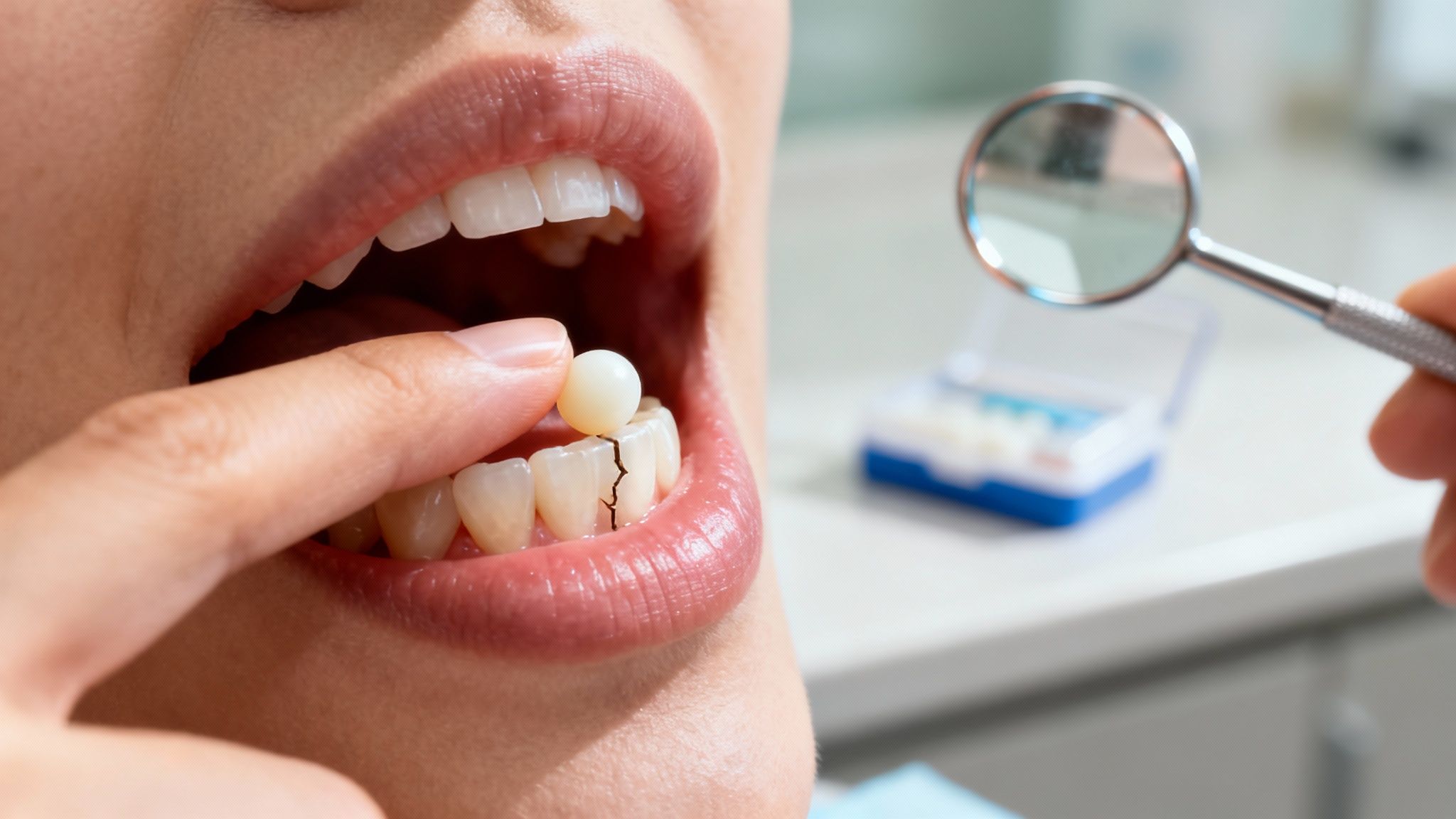
These temporary materials are safe to use for a short time. They can also cover sharp edges that might cut your tongue or cheek. Applying a temporary cover is a great way to manage symptoms and protect your tooth before you visit the dentist.
How to Do This Tip Right
You can find temporary filling materials at most local pharmacies in the Surprise area. Products like Dentemp are easy to use if you follow the directions.
- Clean and Dry the Tooth: Before you put anything on the tooth, gently rinse your mouth with warm water. Then, carefully pat the cracked tooth dry with a clean piece of gauze. A dry tooth helps the material stick better.
- Follow Product Instructions: Each product has its own directions. Usually, you will soften a small piece of the material and gently press it into the crack.
- Avoid Chewing on the Area: Just like before, keep chewing on the other side of your mouth. This temporary material is not strong enough for biting.
- Tell Your Dentist: When you get to your appointment, let the West Bell Dental Care team know you used a temporary filling. This helps them prepare to remove it before they start your treatment.
Key Insight: A temporary filling is just that—temporary. Its main job is to reduce pain and protect the tooth from germs that could cause an infection. If you don't see a dentist, the temporary material will eventually fall out, leaving the crack open again. You can find more advice in our guide to emergency dental tips every family should know.
6. Document the Crack with Photos and Notes
Before you even get to the dental office, you can help with your own diagnosis. Taking notes and pictures gives your dentist very useful information. A clear history of what happened and what you're feeling can help them figure out how bad the crack is.
This simple step helps turn your feelings of pain into facts your dentist can use. Your notes and photos can show patterns that might not be obvious during an exam, especially if the crack is very small.
How to Do This Tip Right
Gathering this information is easy. All you need is your phone and a few moments to pay attention to your symptoms.
- Take Clear Photos: Use your phone’s camera with good lighting. Try to get pictures of the cracked tooth from a few different angles.
- Note Key Details: Write down when you first noticed the crack and what you were doing. Did you bite into something hard? Did the pain just show up suddenly?
- Document Your Pain: On a scale of 1 to 10, how bad is the pain? What makes it hurt? Does it hurt when you bite down, when you let go, or when you drink something hot or cold? Be specific.
- Record Dental History: Make a note if you’ve had any dental work on that tooth before, like a filling or a crown. This information is very important for your dentist.
Key Insight: The information you gather is like a "case file" for your cracked tooth. Details like whether the pain is sharp and quick or a dull, constant ache can help your dentist figure out the type of crack. This helps the team at West Bell Dental Care diagnose the problem accurately and recommend the best treatment right from the start.
7. Schedule an Urgent Dental Appointment Promptly
While the other tips help you manage at home, nothing replaces professional care. Calling your dentist as soon as you think you have a crack is the most important step. Seeing a dentist quickly is key to preventing the crack from getting worse, which could lead to infection or even losing the tooth.
Waiting, even just for a day, gives the crack a chance to spread. A small, easy-to-fix fracture can quickly turn into a big problem that needs more invasive and expensive treatment. Calling for an appointment right away ensures you get a proper diagnosis and the right treatment to save your tooth.
How to Do This Tip Right
Acting fast can make all the difference for your cracked tooth. When you call your dental office, be clear so they understand it's an emergency.
- Call Immediately: Don't wait to see if the pain goes away. Call your dentist's office right away. Many offices, like ours in Surprise, have an emergency contact number for after-hours calls.
- State the Urgency: When you talk to the receptionist, clearly say you have a cracked tooth and are in pain. Use phrases like "dental emergency" to show it's serious.
- Request a Same-Day Appointment: Ask if they have any openings for a same-day or next-day emergency visit. At West Bell Dental Care, we reserve spots in our schedule for urgent cases.
- Have Information Ready: Be ready with your personal details and dental insurance information to make scheduling faster.
Key Insight: A cracked tooth is not a "wait and see" problem. It's a serious issue that needs a dentist to look at it right away. The sooner a dentist can see how deep the crack is, the more options you'll have to save the tooth. Delaying your call increases the risk of bigger problems, like an infection spreading to your jaw. If you're in the Surprise, AZ area, learn more about our same-day dental appointments on westbelldentalcare.com and get the timely help you need.
Your Next Step: Trusted Emergency Dental Care in Surprise
Having a cracked tooth is stressful, but these quick tips can help you manage the situation. From rinsing with salt water to using a cold compress, each small step protects your tooth and reduces pain while you wait for professional care. These steps are your first line of defense.
Remember, this advice is for temporary relief only. A cracked tooth is a serious problem that can expose the sensitive inner parts of your tooth to bacteria. If you don't get it treated, a small crack can lead to a bad infection, nerve damage, or even losing the tooth. That's why the most important step is to schedule an appointment with your dentist as soon as possible.
Key Takeaway: Home care steps are great for immediate comfort, but they don't replace a dentist's evaluation. Quick treatment is the only way to ensure the long-term health of your tooth.
Knowing what to do in the first few hours is a big help. It turns a moment of panic into a calm, manageable process. For more information, you can review a comprehensive guide on how to handle various dental emergencies. This knowledge will prepare you for any unexpected dental issue.
Here in Surprise, AZ, you don’t have to go through this alone. The team at West Bell Dental Care provides fast, compassionate emergency care for our community, including our neighbors in Sun City West, El Mirage, and Peoria. We understand emergencies happen, and we're here to offer a calm, reassuring place where your pain is handled and your smile is restored.
Your Trusted Local Dentist in Surprise, AZ
Don't wait for the pain to get worse. If you have a cracked tooth and need immediate, expert care in a friendly and welcoming office, contact West Bell Dental Care today. Visit our website to book your urgent appointment online or call us directly to get the relief you deserve. Your oral health is our top priority.
Frequently Asked Questions
1. Can a cracked tooth heal on its own?
No, a cracked tooth cannot heal on its own like a broken bone. The crack can actually get worse over time if it's not treated by a dentist. Getting it looked at quickly in our Surprise office is the best way to prevent more damage and save the tooth.
2. How soon should I see a dentist for a cracked tooth?
You should try to see a dentist as soon as possible, ideally within 24-48 hours. A cracked tooth is considered a dental emergency because waiting can lead to infection or a bigger crack. West Bell Dental Care offers same-day emergency appointments for patients in Surprise and Sun City West whenever possible.
3. What will the dentist do for my cracked tooth?
The treatment depends on how bad the crack is. For a minor crack, the dentist might smooth the edge or use a filling. For a more serious crack, you might need a crown to cover and protect the tooth. If the crack has reached the inner pulp, a root canal might be needed to save it.
4. Is it okay to eat with a cracked tooth?
You should avoid eating with the cracked tooth. Stick to soft foods and chew on the other side of your mouth until you can see a dentist. Hard, crunchy, or sticky foods can make the crack larger or cause a piece of the tooth to break off completely.
5. Does West Bell Dental Care treat nervous or anxious patients during emergencies?
Absolutely. We understand that dental emergencies are stressful, especially for anxious patients. Our team in Surprise is trained to be gentle and reassuring. We also offer sedation options to help you feel calm and comfortable during your treatment.