

Picture a skilled sculptor carefully restoring a beautiful statue. That's a great way to think about what dental bonding does for your smile. It's a cosmetic procedure where we apply a tooth-colored resin—think of it like a durable, artistic putty—to fix minor flaws like chips, small gaps, and discoloration.
Understanding What Dental Bonding Can Do for Your Smile
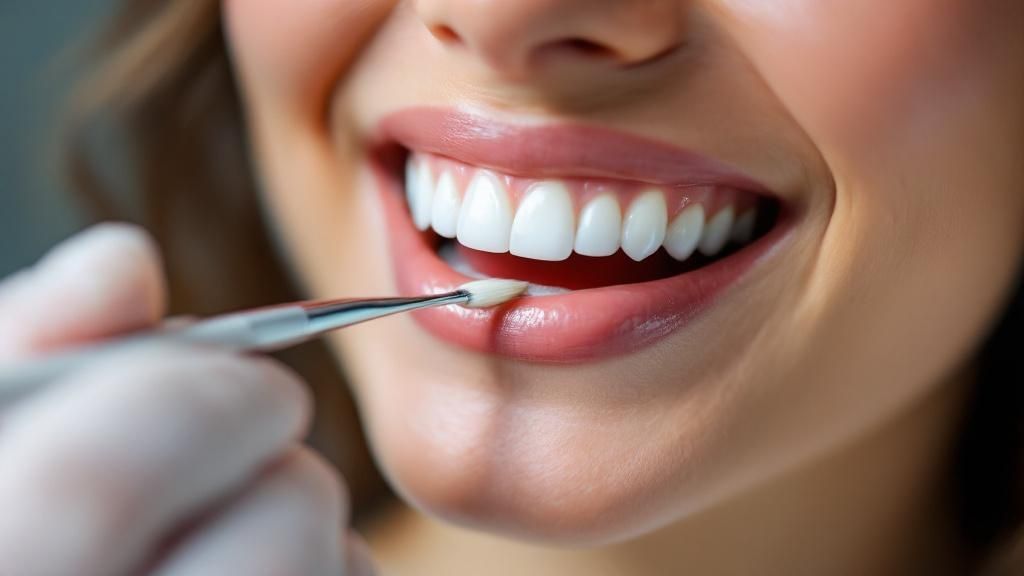
Dental bonding is easily one of the quickest and most affordable ways to upgrade your smile, which is why it's such a popular choice for our patients here in Surprise, AZ, and the nearby Sun City West community. The treatment relies on a high-quality composite resin material that we can expertly match to the exact shade of your natural teeth.
It’s an incredibly versatile tool in our cosmetic dentistry toolkit. With it, our dentists can meticulously repair and reshape a tooth, often in just a single visit, and usually without needing any anesthesia. What patients in our community really appreciate is that it’s a minimally invasive approach that keeps your natural tooth structure intact. That’s a huge plus.
For a quick overview of what dental bonding can do for you, check out this table.
Dental Bonding At a Glance
| Common Cosmetic Fix | Typical Treatment Time | Primary Advantage |
|---|---|---|
| Chips, cracks, gaps, discoloration | 30-60 minutes per tooth | Fast, affordable, and minimally invasive |
As you can see, it's a straightforward procedure with fantastic benefits, making it an ideal choice for many common cosmetic concerns.
Common Cosmetic Issues Solved by Bonding
Many of our patients at West Bell Dental Care are looking for a simple, effective fix for everyday dental issues. Dental bonding is a fantastic solution for several of them:
- Repairing chipped or cracked teeth: Minor damage from an accident or biting down on something hard can be restored in a flash.
- Closing small gaps between teeth: If you have slight spacing issues, bonding can fill in those gaps for a more even, uniform look.
- Improving tooth shape or size: Bonding can make teeth look longer or change their overall shape to bring more balance to your smile.
- Covering stubborn discoloration: For stains that just won't lift with whitening treatments, bonding provides a great cover-up.
This treatment is incredibly effective and addresses issues that millions face. In fact, a 2022 World Health Organization report highlighted that about 3.5 billion people worldwide are affected by oral diseases, including untreated tooth decay, which bonding can frequently help repair. (WHO, 2022)
Is Dental Bonding the Right Choice for You?
Figuring out the best way to get a smile you love can feel like a big decision, but dental bonding is often a simple and incredibly effective solution. It's the perfect choice for people who want to fix specific cosmetic concerns without committing to a major smile overhaul. If you have a few minor imperfections and your mouth is otherwise healthy, you might just be a perfect candidate.
Bonding is a fantastic tool in certain situations. We see it time and time again with our patients in Peoria and El Mirage—it’s often the perfect fix for those small but noticeable flaws that can chip away at your confidence.
Who Is an Ideal Candidate for Bonding?
This procedure might be exactly what you're looking for if you want to:
- Repair minor chips or cracks: A small chip from bumping a glass or biting down wrong can often be blended away so seamlessly you'll forget it was ever there.
- Close small gaps between teeth: If you have some minor spacing, bonding can be used to fill those gaps and create a much more even-looking smile.
- Cover stubborn discoloration: For a single tooth with stains that just won't lift with whitening, bonding is a great way to cover it up and make it match its neighbors.
- Change the shape of a tooth: We can skillfully add to a tooth’s surface, making it look a bit longer or wider to create better balance and symmetry in your smile.
Of course, the best candidates have healthy teeth and gums to start with. If there's significant decay or gum disease, our team at West Bell Dental Care will need to address those issues first. This ensures that any cosmetic work we do has a healthy foundation to last for years to come.
Setting Realistic Expectations
It’s also important to be clear about what bonding can and can't do. The composite resin we use is strong, but it's not quite as tough as your natural tooth enamel or porcelain. Because of this, it’s best for teeth that don’t take the brunt of heavy chewing forces, like your front teeth.
For fixing minor flaws on your front teeth, it’s an amazing option. But for bigger repairs or for anyone wanting the absolute best in durability and stain resistance, something like porcelain veneers might be the better long-term investment.
To explore this a bit more, you can find a lot of great information on our page about what is cosmetic bonding. Here at West Bell Dental Care, our goal is to give you clear, honest guidance so you can make a decision you feel great about.
The Simple Step-by-Step Bonding Process
Lots of people get nervous thinking about dental procedures, worried they'll be complex or uncomfortable. But a dental bonding appointment is refreshingly simple. Its straightforward nature is one of the main reasons so many patients in Surprise, AZ, ask about what is dental bonding. From start to finish, it's a quick and comfortable experience.
The entire process is designed to ensure the final result looks completely natural and blends in with your smile.
Step 1: Shade Selection and Preparation
First things first, we need to pick the perfect color. We’ll carefully compare shades of the composite resin to your natural teeth to find an exact match. You wouldn't want the bonded tooth to stand out.
Once we’ve got the right shade, we prepare the tooth itself. This just involves gently roughening the surface with a special conditioning liquid. Think of it like lightly sanding a piece of wood before painting—it helps the bonding material get a really strong grip. This part is quick, painless, and almost never requires any drilling or anesthesia.
Step 2: Application and Sculpting
This is where the artistry really comes into play. Your dentist will apply the putty-like resin directly onto your tooth. They’ll then skillfully sculpt and shape the material to fix the chip, fill in the gap, or build up the tooth to the ideal shape. The goal is to make it blend seamlessly with your natural tooth line.
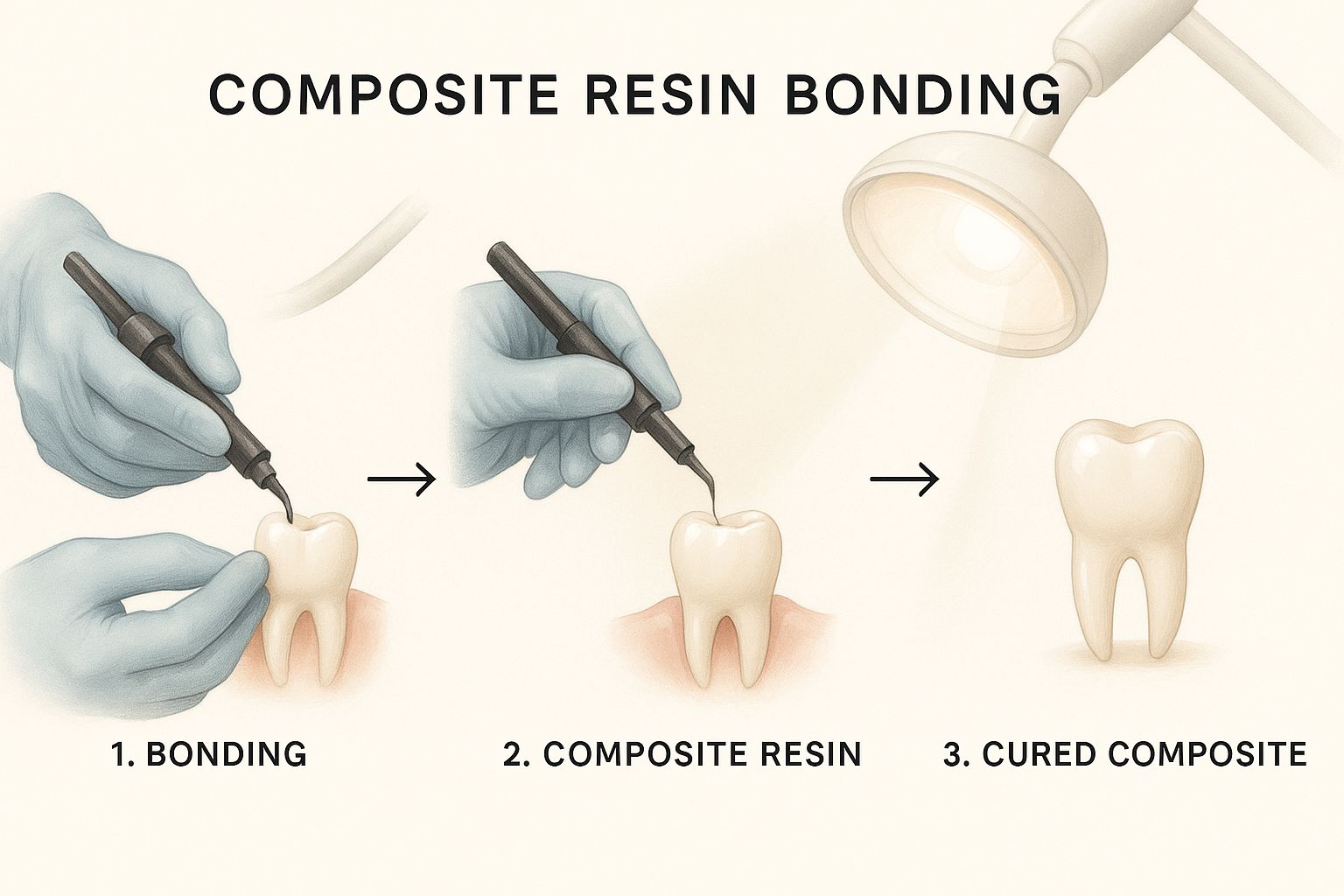
As you can see, this is a very hands-on step that requires precision and a good eye to make sure the bonding looks and feels completely natural.
Step 3: Curing and Polishing
With the resin perfectly sculpted, we use a special curing light to harden it. This only takes a few seconds per layer. The light instantly solidifies the resin, making it strong and durable.
The final touch is to meticulously polish the bonded tooth. We smooth it out until it has a beautiful, natural shine that perfectly matches the rest of your teeth. The best part? The entire process is typically finished in just one visit.
How Bonding Compares to Porcelain Veneers

When exploring cosmetic dentistry, many of our patients from Surprise, AZ, and nearby Sun City find themselves weighing two popular options: dental bonding and porcelain veneers. While both can create a stunning smile, they get there in very different ways.
A good way to think about it is that bonding is like a perfect touch-up, whereas veneers are a more complete smile transformation. Understanding the crucial differences in cost, how long they last, and the time commitment involved is key to making the right choice for you.
A Side-by-Side Comparison
For our patients in communities like Peoria and Sun City West, making a confident decision is important. Let's break down the main points to see how these two fantastic treatments stack up against each other.
To help visualize the trade-offs, here's a direct comparison of dental bonding and porcelain veneers.
Dental Bonding vs. Porcelain Veneers
| Feature | Dental Bonding | Porcelain Veneers |
|---|---|---|
| Material | Composite Resin | Medical-Grade Porcelain |
| Treatment Time | One single visit | Two or more visits |
| Durability | Good (5-10 years) | Excellent (10-20+ years) |
| Invasiveness | Minimally invasive; no enamel removal | Requires minor enamel removal |
| Stain Resistance | Good, but can stain over time | Highly resistant to stains |
| Cost | More affordable upfront | Higher initial investment |
As you can see, the choice involves clear give-and-take. Bonding gives you speed and affordability, making it a wonderful option for smaller imperfections. On the other hand, veneers are a bigger commitment but reward you with a more durable, stain-proof result for a total smile makeover.
Deciding between veneers and other treatments can feel overwhelming. To help with that, we created a guide that dives deeper into teeth whitening vs. veneers, which gives even more context for achieving your dream smile. The best first step is always an open conversation with us at West Bell Dental Care, where we can help you select the perfect treatment for your unique needs.
Keeping Your Bonded Smile Bright and Strong
You’ve invested in your smile with dental bonding, and the good news is, keeping it looking fantastic for years is pretty straightforward. Proper aftercare is what protects that investment, and luckily, it fits right into the healthy oral hygiene habits you already have.
The composite resin we use for bonding is durable, but it's not quite as tough as natural tooth enamel. It's a bit more prone to staining and chipping, so being mindful of a few key things can make all the difference in preserving your results.
Simple Habits for Long-Lasting Results
Consistency is everything. Think of your newly bonded tooth like a small work of art—you just need to avoid putting unnecessary stress on it to keep it looking pristine.
A few small adjustments will go a long way:
- Avoid Biting Hard Objects: This is a big one. Try not to chew on things like ice, pen caps, or hard candy. And please, don't use your bonded teeth as tools to open packages! These habits are the fastest way to chip the resin.
- Minimize Staining Agents: The usual suspects—coffee, red wine, tea, and tobacco—are the biggest culprits when it comes to discoloration. You don’t have to give them up, but enjoying them in moderation and rinsing with water right after can stop stains from setting in.
The Foundation of a Healthy Bonded Smile
At the end of the day, the best way to protect your bonding is simply with excellent oral hygiene. This keeps the bonded tooth looking great and supports the health of your entire mouth.
Brushing twice a day with a soft-bristled toothbrush is essential. Daily flossing is also non-negotiable for clearing away plaque from between your teeth and along the gumline. If you need a quick refresher, we have a helpful guide on how to floss correctly to make sure you’re getting it just right.
Finally, keeping up with your regular cleanings at our Surprise office allows us to professionally polish your smile and keep a close eye on your bonding, ensuring it stays strong and beautiful.
A Perfect Smile Is Within Reach at West Bell Dental Care
Dental bonding is a simple, fast, and affordable way to correct minor imperfections and achieve the beautiful smile you've always wanted. From small chips to noticeable gaps, this minimally invasive procedure delivers stunning results in just one visit. For our neighbors in Surprise, Sun City, and Peoria, AZ, it's one of the most popular ways to gain confidence in your smile.
If you're ready to see if dental bonding is the right choice for you, the friendly team at West Bell Dental Care is here to help. We'll answer all your questions and create a personalized plan to help you meet your goals. Book your consultation online or call our Surprise, AZ, office today to get started!
Frequently Asked Questions
How much does dental bonding cost in Surprise, AZ?
The cost of dental bonding is one of its biggest advantages, as it's more affordable than options like veneers. The exact price depends on the number of teeth and the extent of the repair, but we provide a clear, precise quote during your consultation at our Surprise office.
How long does dental bonding last?
With proper care, dental bonding can last for 5 to 10 years or even longer. Its lifespan depends on your oral hygiene habits and where the bonded tooth is located. Regular check-ups at West Bell Dental Care help us monitor the bonding and perform touch-ups to maximize its longevity.
Is the dental bonding procedure painful?
No, not at all! Dental bonding is a virtually painless procedure because we only work on the outer surface of the tooth. Most of our patients in Surprise, AZ, do not require any anesthesia and are often surprised by how comfortable and easy the treatment is.
Can I whiten my bonded teeth?
The composite resin used in bonding does not respond to whitening treatments, so its color will remain the same. We always recommend that patients whiten their teeth before their bonding appointment. This allows us to perfectly match the resin to your newly brightened smile for a seamless look.
What should I do if my dental bonding chips?
Don't worry—a chipped bond is usually a very simple and quick fix. Just give our Surprise, AZ, office a call as soon as you can. We can typically smooth out or re-apply the resin in a single visit to restore your smile.