

Let’s be honest, we’ve all been told to “floss daily.” But what’s really behind that advice? It’s about much more than just getting rid of that stubborn piece of popcorn. Flossing is a non-negotiable step for cleaning the 40% of your tooth surfaces your toothbrush simply can't get to, according to the American Dental Association (ADA).
Why Proper Flossing Is A Game-Changer For Your Health
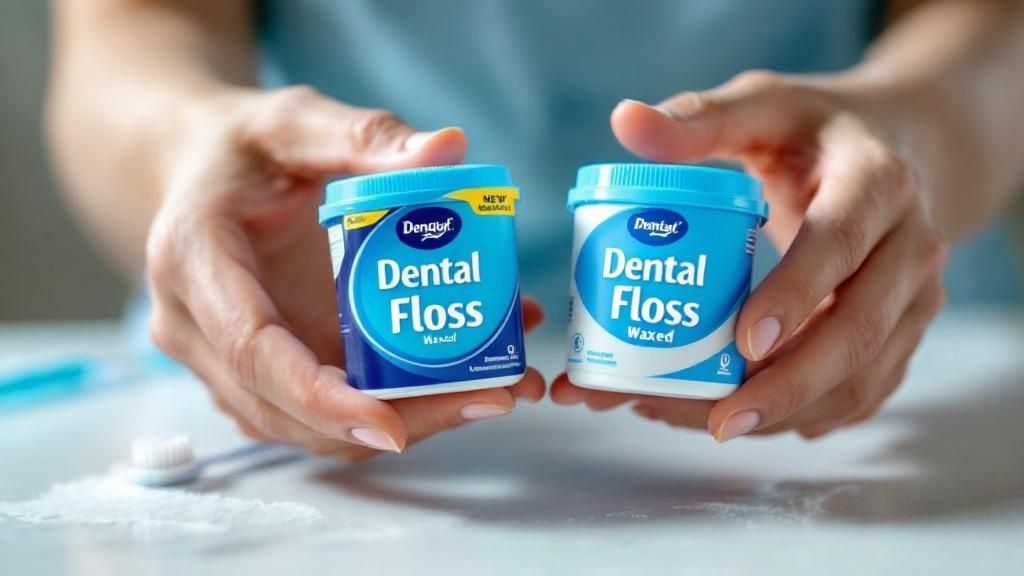
Here at West Bell Dental Care, many of our patients think that a good brushing is enough. But skipping the floss is like washing only the front and back of your car while letting mud and salt build up underneath. Sooner or later, all that hidden gunk leads to serious rust and decay.
The exact same thing happens in your mouth—the spaces between your teeth are where the real trouble starts. When you don’t floss, you're giving plaque—a sticky, invisible film of bacteria—a free pass to build up in those tight spots. This is the main culprit behind the two most common dental issues we treat: cavities and gum disease.
The Real Impact of Plaque Buildup
Plaque isn't just a harmless film. The bacteria in it munch on sugars from the food you eat and then release acids that chew right through your tooth enamel, creating cavities.
At the same time, that plaque irritates your gums, causing them to become inflamed, tender, and even bleed. This is gingivitis, the first stage of gum disease, which affects nearly half of all American adults.
For our patients here in Surprise, AZ, and our neighbors in Sun City and Peoria, learning to floss the right way can mean the difference between a simple check-up and needing more complex dental work down the line. It's truly one of the most powerful and affordable ways to protect your smile for a lifetime.
Think of it this way: flossing is preventive medicine. It’s a two-minute daily habit that actively defends against tooth decay, gum inflammation, and even bad breath by removing the problem at its source—before it has a chance to get worse.
The Science Behind Flossing
This isn’t just our opinion; the benefits are well-documented. Flossing is incredibly effective at removing plaque and food particles where your toothbrush can't.
Proper flossing is a cornerstone of a healthy mouth. It physically breaks up and removes the bacterial colonies your brush leaves behind, making sure every surface of your tooth and gum line gets clean. Mastering this simple skill is a direct investment in your long-term health, keeping your smile bright and strong for years to come.
Mastering The C-Shape Flossing Method
Alright, let's get practical. It's one thing to hear you should floss every day; it's another thing to turn that advice into a real habit that actually works. At West Bell Dental Care, our hygienists see it all the time—people go through the motions but don't get the full benefit.
The secret to a deep, effective clean isn't complicated. Forget about aggressively sawing the floss back and forth. The real key is a gentle, focused technique we call the C-Shape method.
This is the technique we teach our patients every single day, from Surprise to Sun City West, because it does more than just pop out that piece of popcorn. It actively removes plaque from the two most important places: right below the gumline and along the sides of each tooth. When you get this down, you’re doing it right.
Preparing for a Perfect Clean
First things first, let's get you set up. You don't need a lot of force for this, just the right amount of floss and a good grip.
Pull off a generous piece of floss—about 18 inches is the perfect length. This gives you enough room to use a fresh, clean section for every single tooth. You definitely don't want to be moving plaque from one spot to another.
Wrap most of it around the middle finger of one hand, then just a small bit around the middle finger of your other hand. This setup frees up your thumbs and index fingers to do the real work: guiding the floss with precision and control.
Executing the Gentle C-Shape
Got your floss ready? Now for the part that makes all the difference. Gently work the floss between two teeth with a soft back-and-forth motion. The one thing you never want to do is snap it down onto your gums. That’s a fast track to pain and can easily damage that delicate tissue.
Once the floss hits the gumline, this is where the magic happens. Curve it into a “C” shape, hugging the side of one of the teeth.
Key Takeaway: By creating that "C" shape, the floss can slide gently just beneath the gumline. This is the hidden zone where your toothbrush can't reach and where plaque loves to build up. Cleaning here is non-negotiable for preventing gum disease.
Gently slide the floss up and down against the side of that tooth a few times. Then, lift the floss up and over the little triangle of gum tissue (called the papilla) and form a new C-Shape against the tooth next to it. Repeat the motion.
This visual shows exactly what that C-Shape looks like in action.
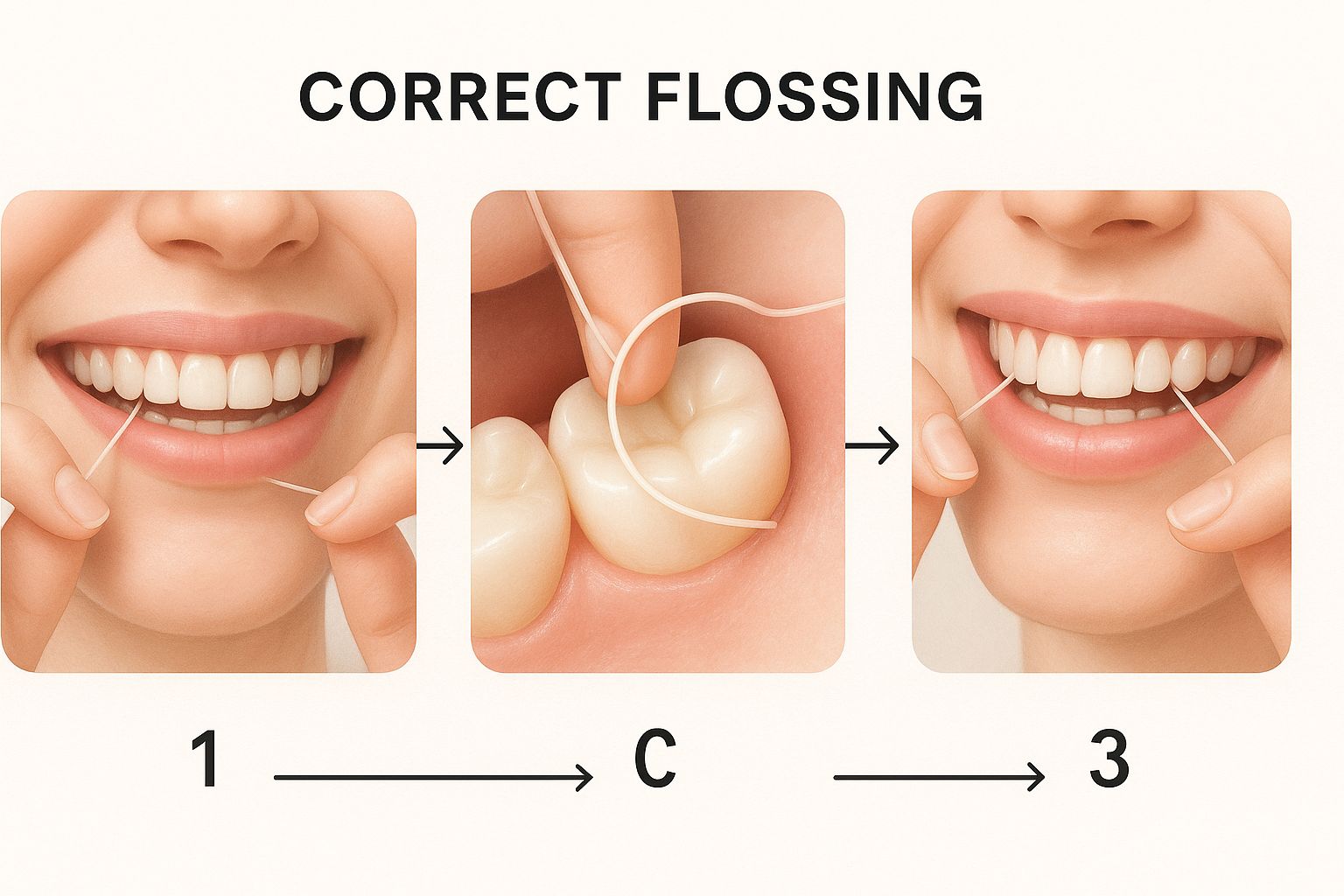
See how it wraps around the surface? That’s what ensures you’re getting maximum contact to remove plaque without just pushing on your gums.
What to Expect When You Start
If you're just starting to floss or it's been a while, don't be shocked if you see a little bit of blood at first. This is completely normal! It’s actually a sign that your gums are inflamed because of the plaque that’s been sitting there.
- Minor bleeding is your body telling you those gums need more attention, not less.
- After about a week or two of consistent, gentle flossing, the bleeding should stop. That’s how you know your gums are getting healthier and stronger.
- If the bleeding is still happening after two weeks of flossing correctly, that's a good time to give us a call. You can schedule a visit with us at our Surprise, AZ, office so we can take a look and rule out any other issues.
As you move from one tooth to the next, remember to unwind a fresh section of floss. Using a dirty piece just moves bacteria around, which defeats the whole purpose. Think of this as your personal guide to mastering how to floss correctly and making it a habit that sticks.
Finding the Right Flossing Tool for You
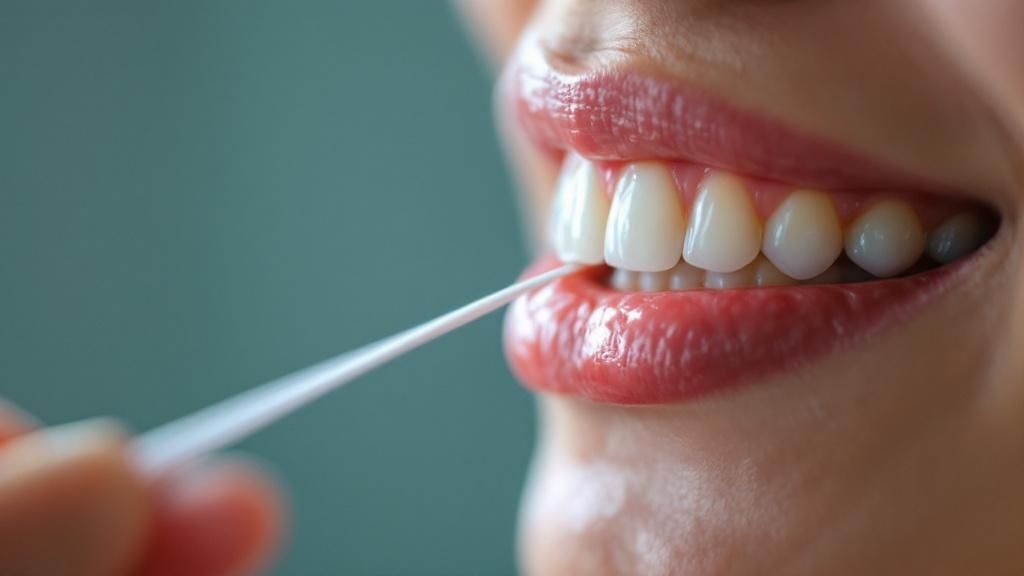
Walking down the dental care aisle can feel a bit overwhelming. But here’s the good news: the best flossing tool isn’t some high-tech secret. It’s simply the one you’ll actually use every day.
At West Bell Dental Care, we want to help you find that perfect match for your teeth and your lifestyle. Finding the right tool can turn flossing from a daily chore into a simple, satisfying habit.
The Gold Standard: Traditional Floss
For most people, good old-fashioned string floss is still the top choice. It’s effective, affordable, and comes in different types to suit your specific needs.
- Waxed Floss: If you’re just starting out or have teeth that are close together, this is often the best choice. The light wax coating helps it glide between tight spaces without shredding.
- Unwaxed Floss: Got a bit more room between your teeth? Unwaxed floss is a great option. It’s thinner and many people love the "squeaky clean" feeling it leaves behind as it scrubs the tooth surface.
Options Beyond the String
What if you find wrapping floss around your fingers just plain awkward? You’re not alone. Many of our patients, from busy parents in El Mirage to retirees in Sun City West, have found great alternatives.
Dental tape is a broader, flatter version of floss. It’s an excellent choice if you have wider gaps between your teeth or dental work like bridges.
Floss picks are another fantastic tool. These are small, disposable plastic wands with a short piece of floss held tight. They’re incredibly convenient, especially for anyone who has trouble with dexterity or for flossing when you're not at home.
Our Pro Tip: When you use a floss pick, don't just pop it in and out between your teeth. You still need to gently curve the floss into a C-shape against each tooth to get below the gumline. That's where the real cleaning happens!
What About Water Flossers?
A water flosser shoots a thin, pulsating stream of water to clean between your teeth and along your gums. For many people, these are total game-changers, particularly if you have:
- Braces or permanent retainers
- Dental implants or extensive bridge work
- Sensitive gums that get irritated by string floss
- Arthritis or other issues that make handling floss difficult
Water flossers are exceptional at flushing out food particles and reducing gum inflammation. However, we often recommend using them with traditional floss, not instead of it. The water rinses powerfully, but string floss is what physically scrapes away that sticky film of plaque.
Comparing Your Flossing Options
Feeling a little lost in all the choices? This table breaks down the most common tools to help you find what might work best for you.
| Floss Type | Best For | Pros | Cons |
|---|---|---|---|
| String Floss | Most people; tight teeth or normal spacing. | Very effective at plaque removal; low cost; portable. | Can be difficult for people with dexterity issues; may shred. |
| Dental Tape | Wide gaps between teeth; bridges. | Covers more surface area; less likely to snap. | Can be too thick for tight spaces. |
| Floss Picks | On-the-go use; dexterity challenges; beginners. | Extremely convenient and easy to use; disposable. | Can be less effective at wrapping the tooth; creates plastic waste. |
| Water Flosser | Braces, implants, bridges; sensitive gums. | Excellent for rinsing debris and massaging gums; great for orthodontics. | Higher initial cost; less effective at removing sticky plaque film on its own. |
No matter which tool you land on, the most important thing is consistency. Using something is always better than using nothing. Check out our guide on the best oral hygiene products to explore your options further.
Common Flossing Mistakes and How to Avoid Them
Even with the best of intentions, it’s surprisingly easy to fall into a few common traps when you’re learning how to floss correctly. Here at our Surprise dental office, we often see patients who are dedicated to flossing every day but aren’t getting the full benefit.
The good news? Correcting these little missteps is simple once you know what you’re looking for. Our only goal is to offer some friendly, practical advice to help you fine-tune your technique and really protect that smile.
Snapping the Floss
One of the most frequent things we see is someone forcefully snapping the floss straight down between their teeth. That aggressive motion can actually bruise or even cut your delicate gum tissue.
The Fix: Instead of a sudden snap, think control. Gently guide the floss between your teeth using a light, back-and-forth sawing motion. Let the floss do the work without you having to force it.
Using the Same Section of Floss
This is a big one. Reusing the same small piece of floss for your whole mouth just moves plaque and bacteria from one spot and spreads it to another.
The Fix: This is exactly why we suggest starting with a generous 18-inch piece of floss. As you clean between one set of teeth, simply unwind a fresh, clean section from your finger for the next space. This simple move ensures you’re always removing plaque, not just relocating it.
A Quick Reminder: Proper technique involves not just what you do, but also what you avoid. It's crucial to steer clear of harmful "hacks" like avoiding horrifying trends like using hair as dental floss, which can cause serious damage.
Forgetting the Back Molars
It’s human nature to focus on the teeth you can easily see. The front ones get all the attention, while the molars in the back get rushed or skipped entirely.
The Fix: Try making a conscious effort to start your flossing routine with your back molars. This way, they get the attention they deserve. Remember to wrap the floss into that C-shape around the very last surface of your rearmost tooth on both sides, top and bottom.
Fixing these simple errors is a huge step toward better oral health. For more insights, you might want to review our list of other common dental health mistakes that are easy to avoid.
Your Partner in Lifelong Oral Health in Surprise, AZ
Figuring out how to floss the right way is a huge win for your long-term health, and our team is here to cheer you on. Think of this guide as your starting point, but personalized, hands-on advice is often what really makes a new habit stick.
At West Bell Dental Care, we’re not just your dentist; we want to be your family's dedicated health partner. For our patients across Surprise, Sun City, and Peoria, we focus on building relationships that feel comfortable and genuine. You should always feel like you can ask us anything.
Taking the Next Step for a Healthier Smile
If you're second-guessing your technique, wondering which floss is actually best for your teeth, or just want a professional to take a look, we're here. Our hygienists are more than happy to give you a quick, practical demonstration at your next visit. A solid foundation in preventive dentistry for stronger teeth is truly the best investment you can make in your smile.
Every small, consistent action you take at home adds up. Your commitment to flossing is a powerful tool against cavities and the risk of gum disease, which affects almost 47% of adults over 30. (CDC)
Don't wait to take that next step toward a healthier, more confident smile. Schedule your next cleaning and check-up at our Surprise, AZ, office today! We look forward to partnering with you and your family for years to come.
Frequently Asked Questions
Even when you know the ropes, questions pop up. Here at West Bell Dental Care, we want you to feel confident in your daily routine. We’ve pulled together some of the most common questions we hear from our patients right here in Surprise, AZ.
Should I floss before or after I brush my teeth?
This is a classic question! We recommend flossing before you brush. Flossing first loosens up the plaque and food debris stuck between your teeth. Then, brushing effectively sweeps all that gunk away, allowing the fluoride from your toothpaste to reach those freshly cleaned surfaces.
Is it normal for my gums to bleed when I start flossing?
Yes, it's very common to see minor bleeding when you first start a consistent flossing routine. This is a sign of gum inflammation caused by plaque buildup. Keep up with gentle, daily flossing, and the bleeding should stop within one to two weeks as your gums become healthier.
How often should I get a dental cleaning at your Surprise, AZ, office?
For most patients, we recommend a professional cleaning and check-up every six months. This allows us to remove hardened plaque (tartar) that you can't get with a toothbrush or floss and to catch any potential issues early. Based on your specific oral health, we may recommend a different schedule.
Are water flossers a good replacement for traditional floss?
Water flossers are an excellent tool for rinsing away debris and are especially helpful for patients in Surprise with braces, implants, or dexterity issues. However, they are best used as a supplement to traditional floss, not a replacement. String floss is still the most effective way to physically scrape sticky plaque off the tooth surface.
Does West Bell Dental Care offer appointments for families and retirees in Sun City West?
Absolutely! We proudly serve families, professionals, and retirees throughout Surprise, Sun City West, Peoria, and the surrounding areas. We offer flexible scheduling and a range of services tailored to meet the needs of every member of your family. Call our friendly team to find an appointment time that works for you.